
Pre-treatment for Powder Coating
Engineered for excellence, our precision pre-treatment ensures flawless powder coating adhesion, corrosion resistance, and surface purity—because every lasting finish begins with the perfect foundation.


Trusted by aerospace OEMs, defense integrators, and electronics manufacturers for critical metal finishing.
Pre-treatment for Powder Coating
Pre-treatment is the behind-the-scenes hero of powder coating. It’s the critical process that preps metal and plastic surfaces before the powder ever touches the part. By removing contaminants, rust, and oils—and by chemically preparing the surface—it ensures your powder coating bonds like a pro and performs like a champion.
At JLY Metal Finish, we provide precision pre-treatment solutions that unlock the full potential of powder coatings. Whether you’re protecting parts from corrosion, improving paint adhesion, or meeting strict industry specs, proper pre-treatment is the foundation for a flawless, long-lasting finish. From aerospace-grade aluminum to rugged steel components, we tailor each pre-treatment process based on material type, part complexity, and coating requirements. It’s not just clean—it’s coating-ready, every time.
Benefits of Pre-treatment for Powder Coating
- Removes surface oils, rust, scale, and dirt for optimal powder adhesion.
- Enhances corrosion resistance, especially in moisture-prone environments.
- Promotes uniform coating thickness and smooth finish.
- Increases durability and longevity of powder-coated parts.
- Enables better electrostatic attraction during powder application.
- Prepares both ferrous and non-ferrous metals for specific powder chemistries.
- Supports eco-friendly finishing by reducing rework and waste.
- Meets rigorous performance specs for industrial, automotive, and architectural use.
Pre-treatment Specifications
| Attribute | Details |
|---|---|
| Standard | Processes available to meet AAMA, MIL-spec, and ISO standards |
| Method | Includes degreasing, alkaline cleaning, iron or zinc phosphating, chromate or non-chromate conversion coatings |
| Surface Prep Level | SSPC-SP1 to SP10 levels depending on coating needs and surface condition |
| Materials Treated | Aluminum, steel, galvanized metals, copper, and select plastics |
| Rust Removal | Achieved via chemical etching, blasting, or conversion methods |
| Adhesion Strength | Significantly improved—passes cross-hatch and pull-off tests after coating |
| Cleanliness Level | Free of oils, oxides, particulates, and ionic contaminants |
Technical Specifications
- Process Type:
Our pre-treatment process may involve chemical cleaning, phosphating, chromating, or blasting—depending on the material and application. These steps are critical for surface activation and primer compatibility. - Surface Cleaning:
Contaminants like grease, dust, and oxidation are removed using alkaline cleaners, deionized water rinses, and micro-etching where needed. - Conversion Coatings:
Aluminum and galvanized parts often receive a chromate or non-chromate conversion coating to improve paint adhesion and corrosion resistance. - Rust & Scale Removal:
Steel parts undergo iron or zinc phosphating to remove rust and establish a phosphate crystal layer—perfect for powder grip and anti-corrosion properties. - Adhesion Enhancement:
Our pre-treatments ensure high mechanical and chemical bonding, reducing the risk of coating delamination or chipping. - Blast Media & Grit Blasting:
For heavy-duty surfaces, we incorporate grit blasting to remove mill scale, rust, and provide mechanical tooth for thick powder builds. - Environmental Compliance:
All processes can be designed to comply with RoHS, REACH, and other global regulatory standards for eco-conscious manufacturing.
Design & Tolerance Best Practices
- Consider Pre-Treatment Impact
Allow for minor surface profile changes from blasting or phosphating—important when tight mechanical tolerances matter. - Plan Masking for Sensitive Areas
Critical zones like grounding points or threads can be masked to avoid chemical reaction or texture changes. - Remove Weld Slag and Burrs
Sharp metal edges and spatter can cause coating failure—smooth finishing is key before pre-treatment begins. - Avoid Mixed Metal Assemblies
Different metals may require different chemistries. Pre-treatment should be done on uniform substrates for best results. - Drainage and Vent Holes
Hollow parts need proper venting and drainage to prevent trapped chemicals or rinse water during immersion stages. - Account for Material Reactivity
Not all metals behave the same. Aluminum, steel, and galvanized parts each require unique pre-treatment paths. - Maintain Surface Uniformity
Prior fabrication marks, scratches, or inconsistent textures will show through after powder coating—so prep like it matters (because it does).
Why Choose JLY Metal Finish for Pre-treatment?
- Multi-Stage Chemical Lines: We use precision-controlled immersion and spray lines to deliver consistent, high-purity results across batches—whether it's one part or thousands.
- Custom Surface Preparation Plans: We don’t do cookie-cutter. Each part gets a tailored pre-treatment workflow based on its metal type, geometry, and end-use requirements.
- Advanced Cleaning & Rinsing Systems: Our systems include deionized water rinses, neutralizing tanks, and air knives to ensure zero contamination before coating.
- Process Documentation & QC: From pH levels to dwell time, we monitor every variable. You get repeatable quality—and the documentation to prove it.
- Eco-Friendly Chemistry Options: JLY Metal Finish offers non-chromate and phosphate-free systems for customers focused on green manufacturing and compliance.
- Seamless Integration with Powder Coating: Pre-treatment and powder coating are part of one smooth, in-house process—reducing handling, turnaround, and costs.
Pre-treatment for Different Industries
Aerospace
Advanced cleaning and non-chromate conversions ensure that aluminum components meet exacting flight specs, corrosion standards, and adhesion metrics for powder-coated exterior and interior components.
Defense
Tough surfaces begin with durable pre-treatment. Our grit blasting and chemical preps support heavy-duty finishes for tactical gear, mounts, and ruggedized hardware exposed to extreme elements.
Medical
Sterile, smooth, and safe—our non-toxic, FDA-aligned processes prepare surgical tool components, diagnostics housings, and medical enclosures for flawless powder finishes that withstand sterilization.
Automotive
Pre-treatment stops rust before it starts. Whether it’s under-the-hood brackets or EV battery casings, our phosphating and degreasing processes ensure long-term powder performance on the road.
Electronics
Clean surfaces equal precise insulation. Pre-treatment ensures enclosures, housings, and heatsinks are contaminant-free, improving powder coating adhesion and thermal management performance.
Architectural
Durability meets beauty. Our conversion coatings enhance UV resistance and finish life on façades, panels, frames, and decorative metals exposed to harsh weather or pollution.
Energy / Power
Solar, wind, and EV components are protected from corrosion thanks to tailored pre-treatment workflows that ensure powder coatings bond properly on steel, aluminum, and galvanized parts.
Commercial
From handrails to POP displays, clean surfaces deliver flawless powder finishes. Pre-treatment prevents flaking, bubbling, or poor adhesion in high-traffic commercial environments.
Chromate Conversion Certifications & Standards
- MIL-DTL-5541 Compliant
- ISO 9001:2015 Certified Facility
- Complimentary Sample Validation Options
- Certificates of Conformance Available
Frequently Asked Questions (FAQs)
Why is pre-treatment important before powder coating?
Pre-treatment is essential because it cleans the surface of oils, dirt, rust, and other contaminants, while also creating a surface profile that helps the powder coating stick better. Without proper pre-treatment, even the best powder coating can peel, chip, or fail prematurely.
What types of metals can be pre-treated for powder coating?
We pre-treat a wide variety of metals including aluminum, mild steel, stainless steel, galvanized steel, copper, and some engineering plastics. The type of metal determines the exact cleaning and conversion process we use for optimal results.
What pre-treatment methods does JLY Metal Finish use?
We use a combination of degreasing, alkaline cleaning, iron or zinc phosphating, chromate or non-chromate conversion coatings, and grit blasting—depending on your part’s material, geometry, and intended use. Our multi-stage systems are tailored for both small and large batch processing.
How does pre-treatment improve powder coating adhesion?
Pre-treatment removes microscopic contaminants and creates a textured or chemically-reactive surface, which allows the powder particles to cling better and bond more securely during the curing process. This ensures longer-lasting, flake-resistant finishes.
Can pre-treatment prevent rust and corrosion?
Yes, absolutely. One of the main benefits of pre-treatment is corrosion resistance. Phosphating and conversion coatings act as a barrier between the metal and the environment, significantly extending the lifespan of the coated part—especially in humid or outdoor conditions.
Will pre-treatment affect the dimensions of my part?
Only very slightly. Some processes like phosphating or blasting may alter the surface texture, but the change is minimal (a few microns) and generally within most industrial tolerance levels. If your part has very tight tolerances, we’ll work with you to plan around it.
Do you offer masking for areas that shouldn't be treated?
Yes, we do. Threads, grounding points, or other critical zones can be masked before pre-treatment and powder coating to ensure they remain untouched. Just let us know your part’s functional requirements, and we’ll take care of the rest.
Is pre-treatment necessary for indoor-use parts too?
Yes—especially if you want a high-quality, long-lasting finish. Even if the parts aren’t exposed to harsh outdoor environments, pre-treatment improves adhesion, appearance, and overall durability of the powder coating, regardless of where it’s used.
Can you pre-treat parts that have been powder coated before?
Yes, but the old coating will need to be removed first—usually via media blasting or chemical stripping. Once stripped, we can apply a fresh pre-treatment process to prepare the surface for a new, high-quality powder finish.
Can I skip pre-treatment to save on costs?
Skipping pre-treatment might save money in the short term, but it often leads to coating failures, rust, or rework down the line. In the long run, pre-treatment actually saves money by improving product performance and reducing the need for repairs or replacements.
Specifications
- MIL-PRF-32348 (Protective Coatings)
- MIL-PRF-8625 (Anodizing – General)
- MIL-PRF-8625F (Anodizing – Latest Revision)
- MIL-A-8625 (Original Anodizing Standard)
- MIL-DTL-5541 (Chemical Conversion Coating)
- MIL-DTL-5541F (Updated Conversion Coating)
Related Services
Advanced Metal Finishing Solutions
WHY CHOOSE US
Decades Of Industry Expertise
Trusted by leading manufacturers for solving complex finishing challenges.
ISO 9001 Compliant Quality Control
We meet rigorous aerospace, defense, and industrial standards—all delivered under one roof.
Two Facilities, Modern Equipment
Equipped to handle high-volume, high-spec projects with speed and accuracy across industries.
Eco-Conscious & Compliant
Sustainability isn’t an add-on—it’s engineered into every step of our process and facility design.
Our SERVICES
From Coating to Cutting—We Handle It All.
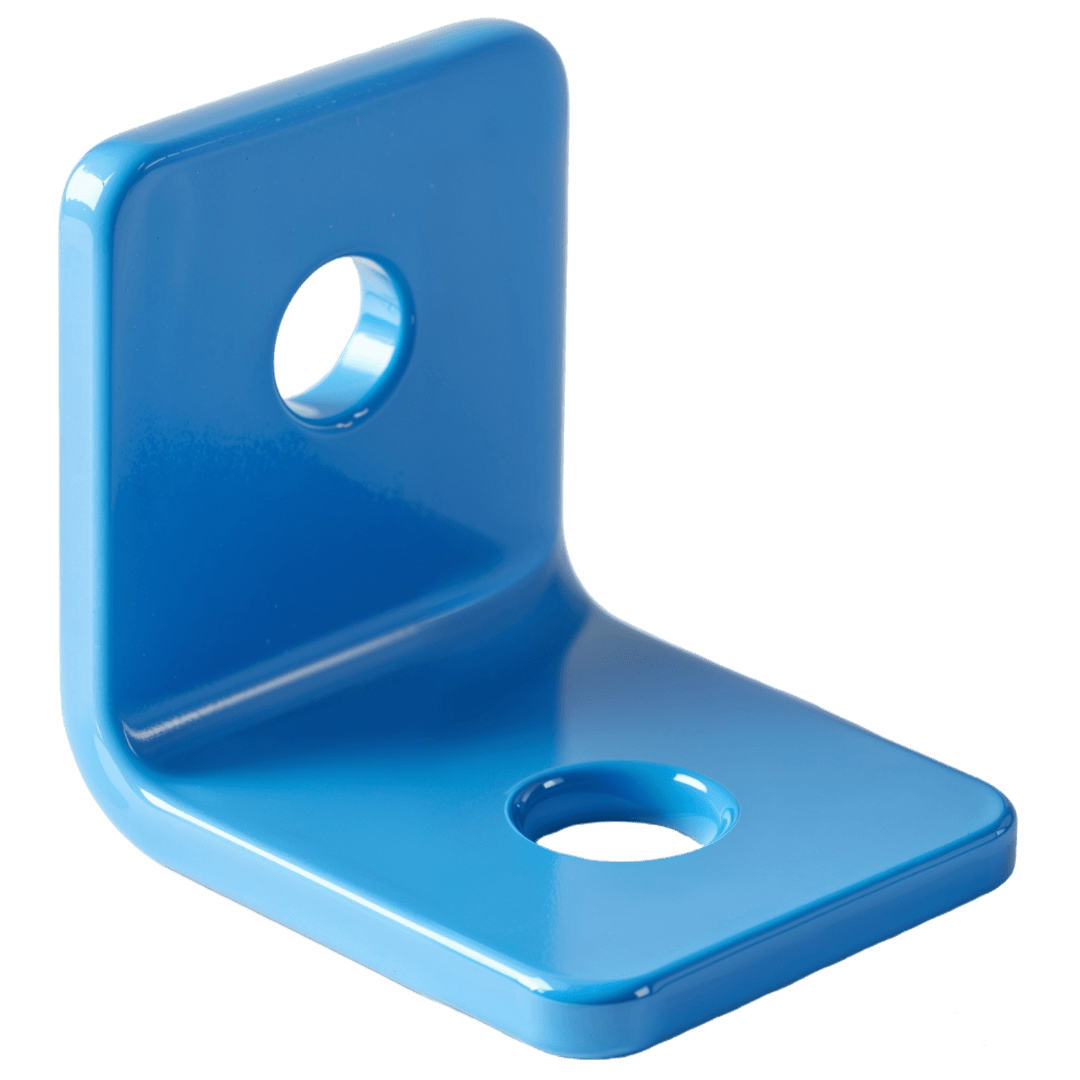
Powder Coating
Applies baked-on powder finishes to metal for a tough, vibrant, and protective coating. Ideal for durability, weather resistance, and enhancing both lifespan and appearance.
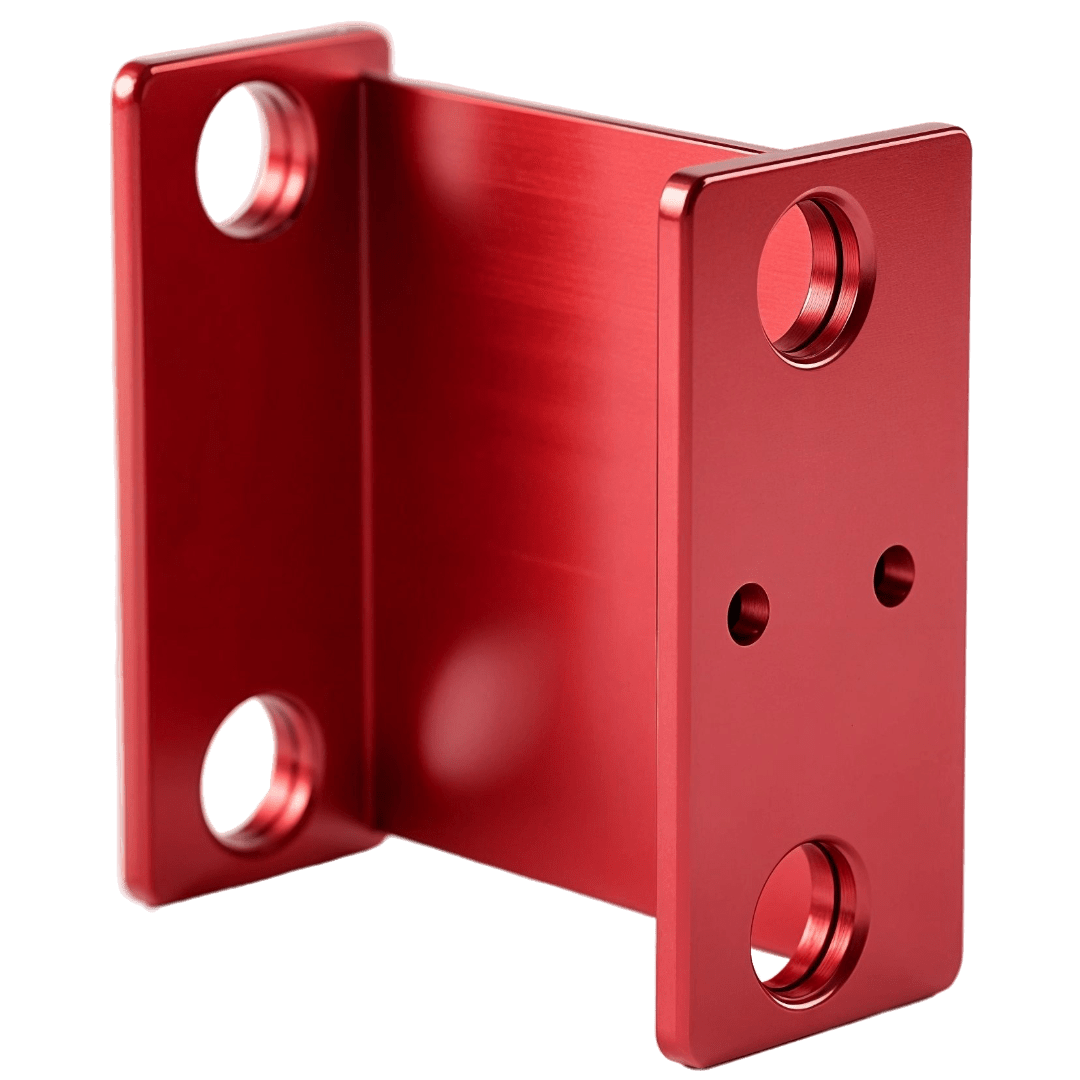
Anodizing
Converts aluminum surfaces into a durable oxide layer that boosts corrosion resistance, wear resistance, & electrical insulation—ideal for industrial, & decorative applications.
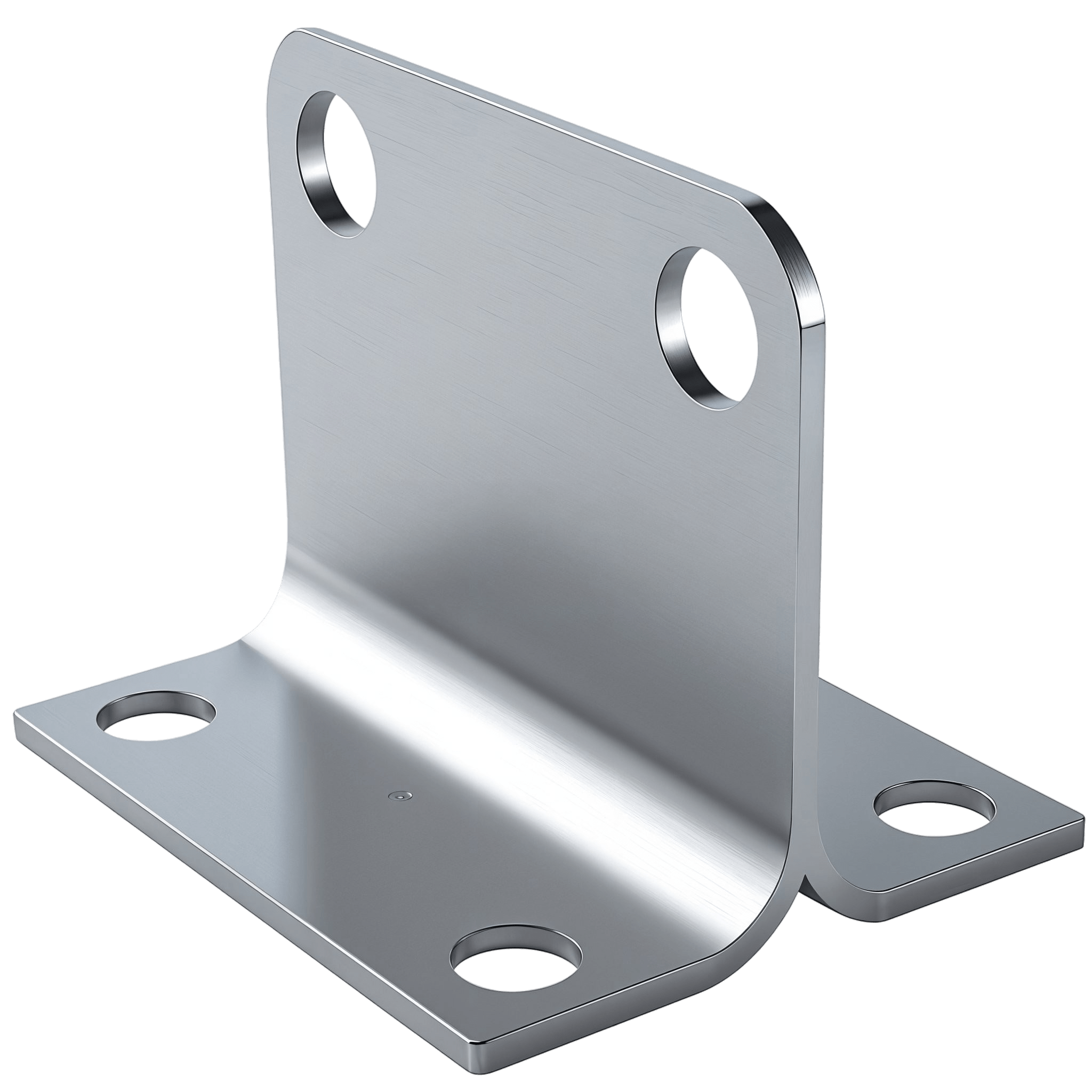
Chromate Conversion
Chemically treats metal to improve corrosion resistance and paint adhesion. Uses trivalent chromium compounds via dipping, spraying, or brushing to create a protective layer.
Fast and economical method to print crisp, multi-color graphics on various materials. Great for labels, logos, and signs that require durability and long-lasting clarity.
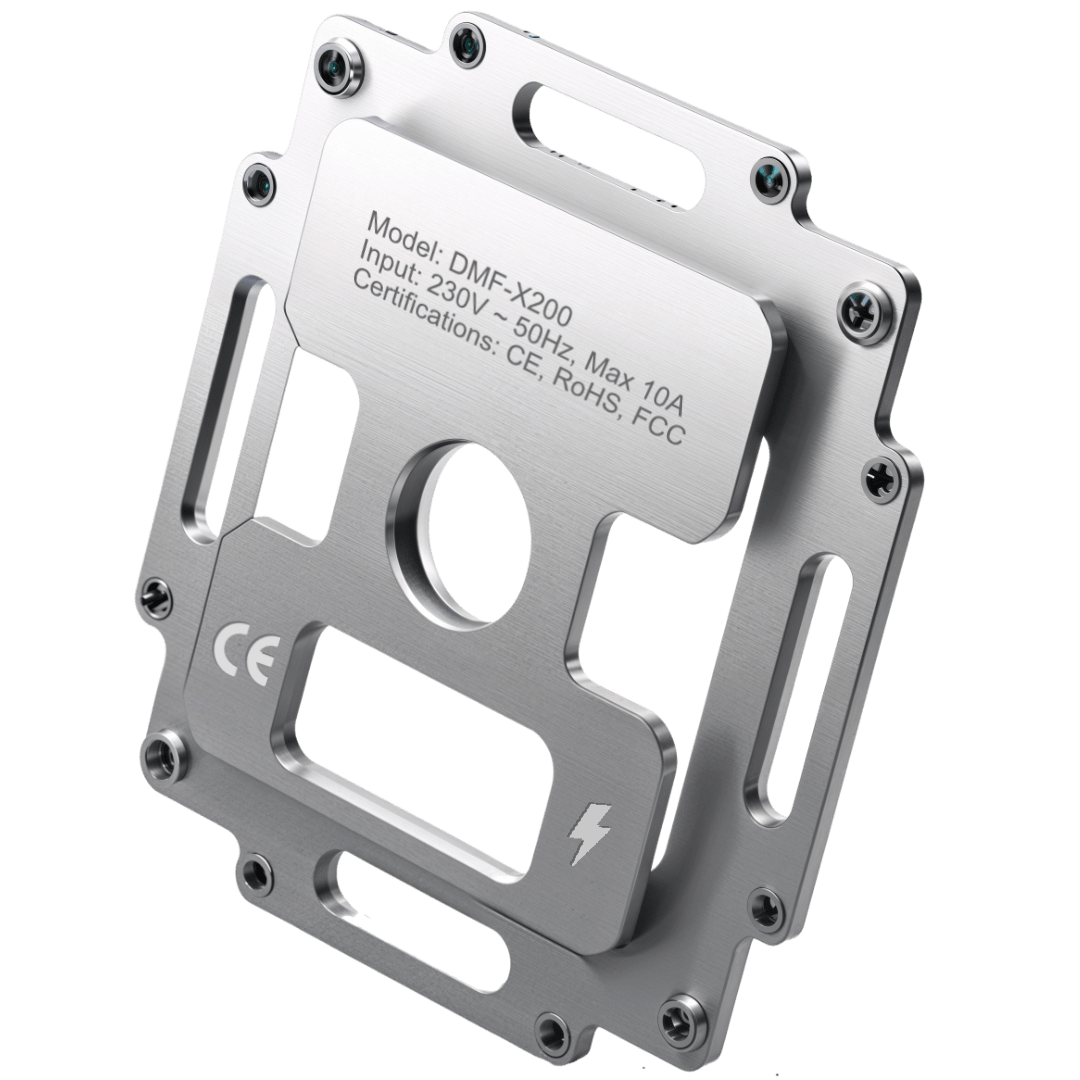
Laser Engraving
Uses lasers to mark metals with sharp, detailed, and lasting graphics or codes. Supports both deep engraving and surface etching, depending on project requirements.
Delivers full-color, high-resolution graphics and labels on multiple surfaces. Best for short runs, prototypes, and custom signage with minimal setup and fast turnaround.
Produces weatherproof, high-visibility signs built for long-term outdoor durability. Crisp graphics, reflective coatings, and rugged materials ensure compliance and performance.
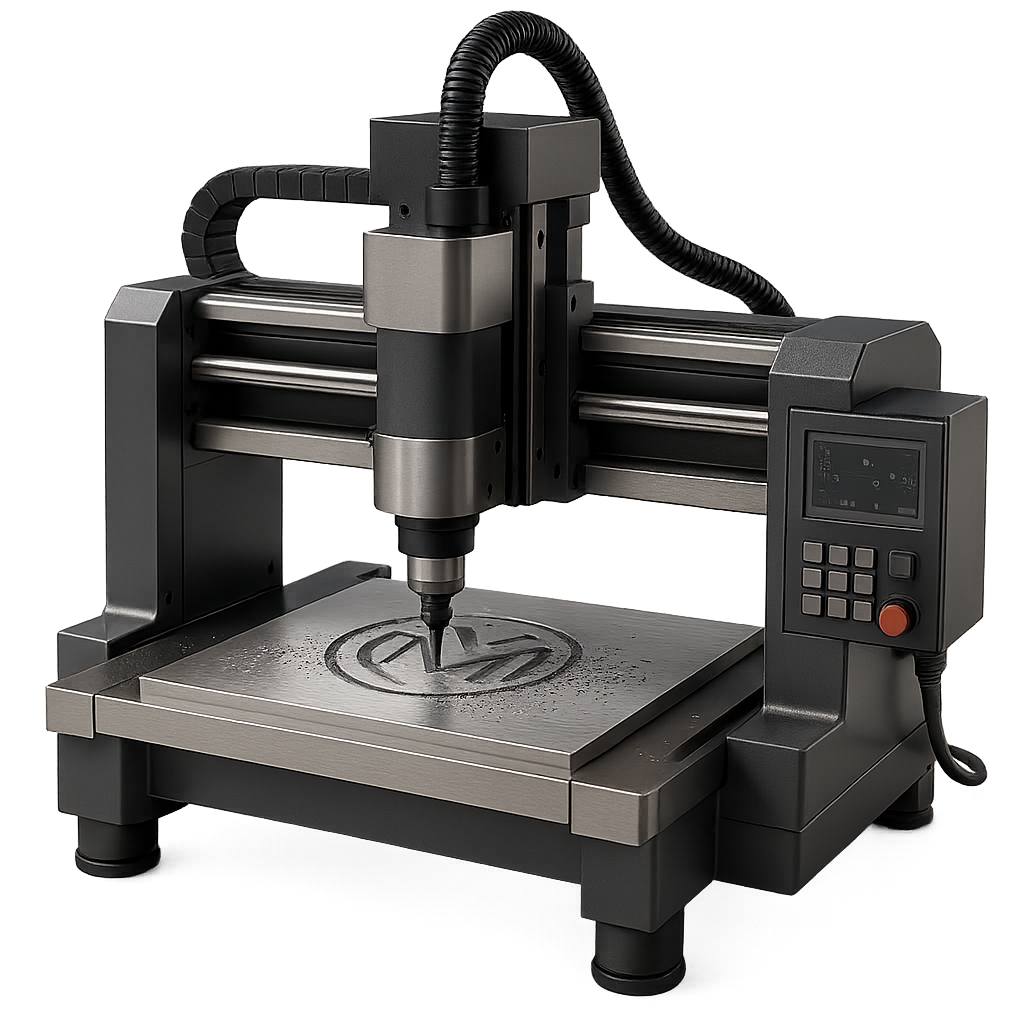
CNC Routing
Provides high-precision cutting of metal parts using computer-controlled machinery. Ideal for custom components, panels, and enclosures with clean edges & tight tolerances.
Our Facility
Built for Scale. Engineered for Speed.
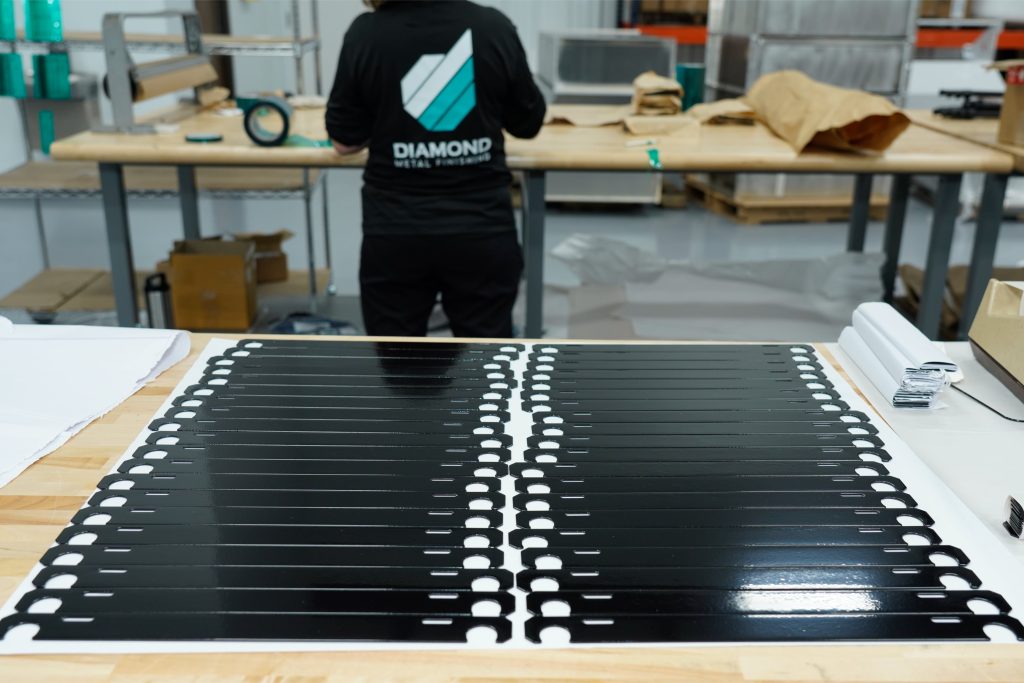
Streamlined
process & on-time-delivery.
Efficient With Quick Turnaround Times
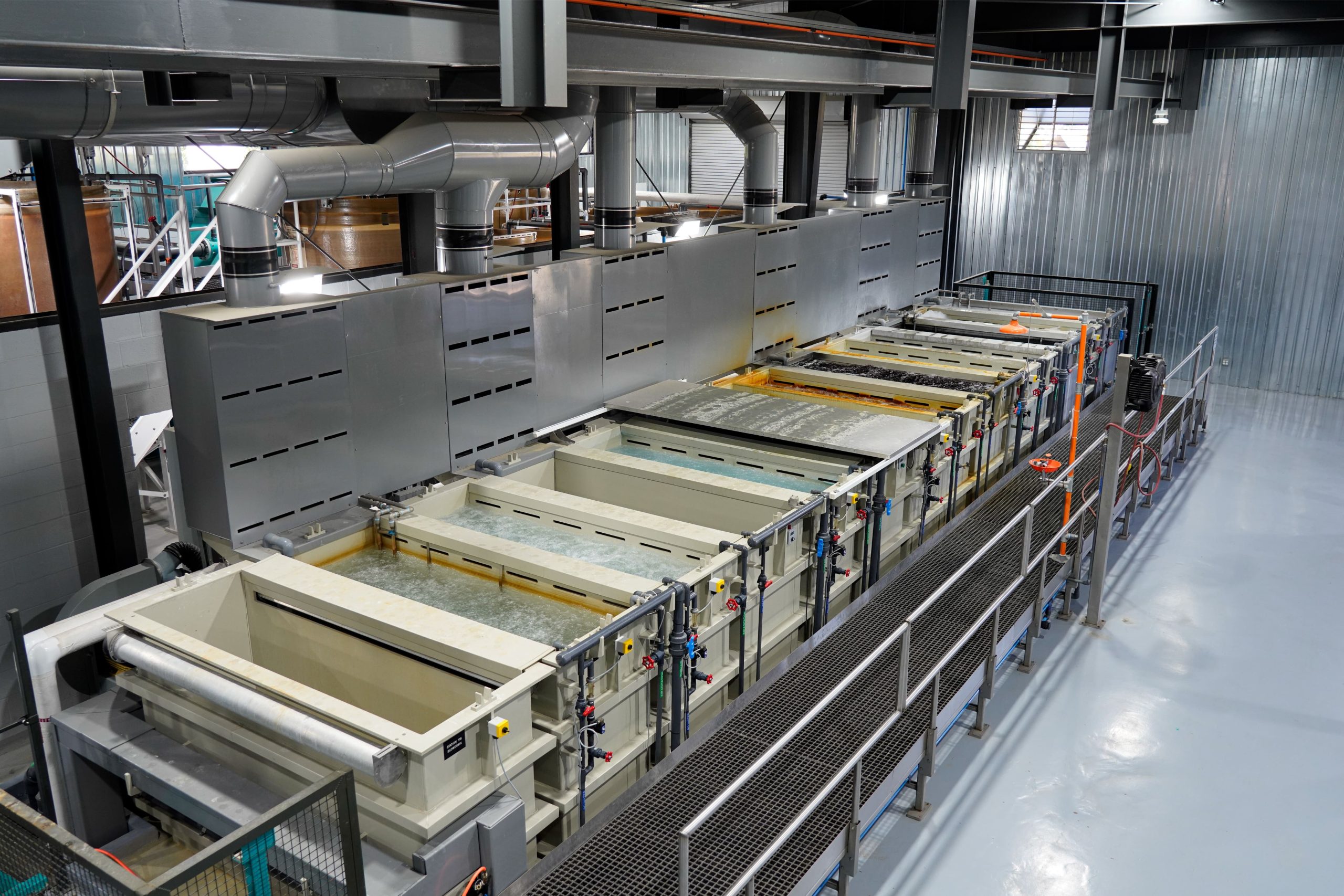
1st Facility
11,200+
sq-ft finishing facility.
Advanced Chemical Processing Facility
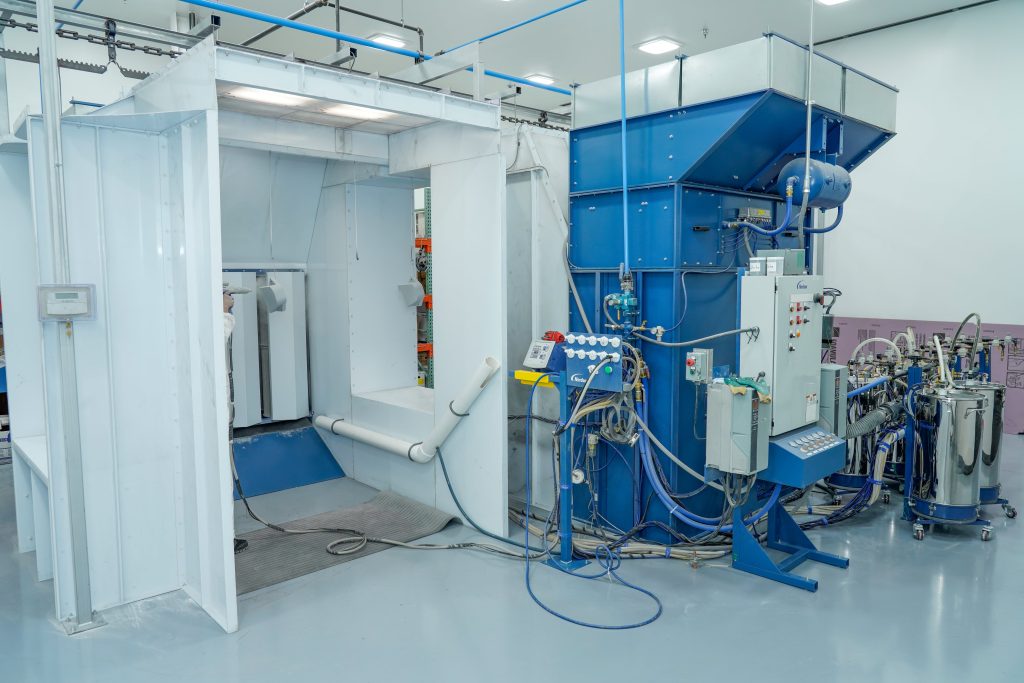
2nd Facility
21,200+
sq-ft coating facility.
Latest Powder Coating Technologies
Precision Finishing.
Delivered Fast.
Trusted by industrial manufacturers across a wide range of industries.
Because getting it right the first time, every time, is non-negotiable.
CLIENT STORIES
Hear from Our Customers

JLY Metal Finish has significantly eased our finishing process challenges, consistently accommodating and expediting to meet our tight timelines. Their support has positioned Star Precision to reach new heights, growth that would’ve been difficult without such a reliable finishing partner.
Mike B.
Quality Manager, Star Precision
How Star Precision Streamlined Production with Reliable Metal Finishing
How Metal Techniques Solved Lead Time & Quality Issue.
join the success
These are just a few of our successful clients



What services does JLY Metal Finish offer?
JLY Metal Finish provides integrated metal manufacturing and finishing services, including Metal Fabrication, Stamping, Anodizing, Electroplating, PVD Coating, and DLC Coating. We support projects from prototypes and sample validation through scalable production, with engineering review based on your drawings, materials, finish requirements, quantity, and delivery needs.
How is pricing determined?
Pricing depends on several factors: type of service (e.g., powder coating, anodizing, traffic signs), part size, quantity, and any custom requirements. For the most accurate estimate, send us your drawings, photos, and finish specifications.
What is the typical lead time for metal finishing orders?
Most projects are completed within 5 business days. Turnaround time varies by service (powder coating vs. anodizing), volume, and workload. Expedited services are available upon request.
Do you require minimum order quantity requirement?
We do not have strict minimums. Whether you need one prototype part or a high-volume production run, we can help. Larger batch sizes typically result in better pricing.
What quality standards does JLY Metal Finish follow?
We follow industry best practices for all types of services. Our team can meet MIL-SPEC, RoHS compliance, and other specifications based on your project needs. Quality checks are performed throughout every stage of production.
Can you provide a Certificate of Conformance (COC)?
COCs are provided upon request. A service fee may apply.
What types of metals can you finish?
Can you match custom colors or textures?
Do you provide surface preparation before the finish?
What are your accepted payment terms and methods?
Do you offer pickup, delivery, or shipping for all services?
How can I request a quote?
Company-Related