
Communications & Electronics
Rugged enclosures, heat sinks, shielding, connector hardware, control panels, and grounding components.
JLYPT supports defense-component programs with manufacturing and finishing routes selected for rugged environments, corrosion resistance, wear, conductivity, low reflectivity, dimensional control, and repeatable production.
Review My Component →Explore CapabilitiesOur team reviews the part function and operating environment before selecting the manufacturing and finishing route.
Rugged enclosures, heat sinks, shielding, connector hardware, control panels, and grounding components.
Precision mounts, housings, rings, brackets, and non-reflective or wear-resistant components.
Corrosion-exposed brackets, panels, covers, retainers, fasteners, and equipment hardware.
Lightweight airframe hardware, payload mounts, electronics housings, sensor supports, and thermal parts.
Pins, shafts, guides, valves, sliding interfaces, and wear-critical precision components.
Portable-equipment housings, formed assemblies, racks, fixtures, and protective structures.
Each capability is connected to specific component families and functional requirements—not presented as a generic service list.
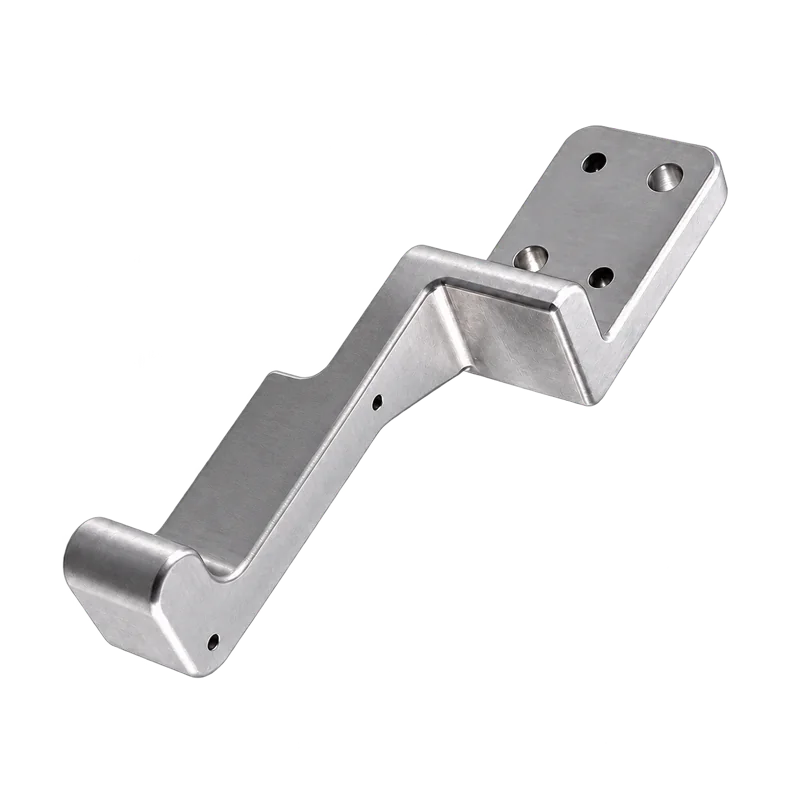
Cutting, forming, welding, and assembly for electronics housings, equipment panels, shields, and platform hardware.
Explore Metal Fabrication →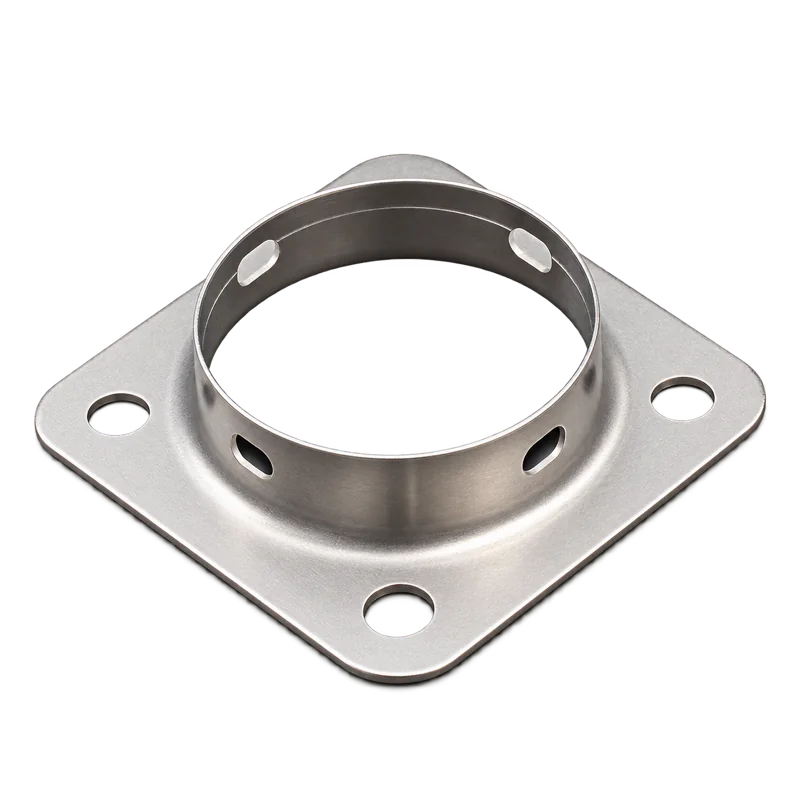
Clips, retainers, contacts, reinforcement parts, and mounting hardware for production programs.
Explore Metal Stamping →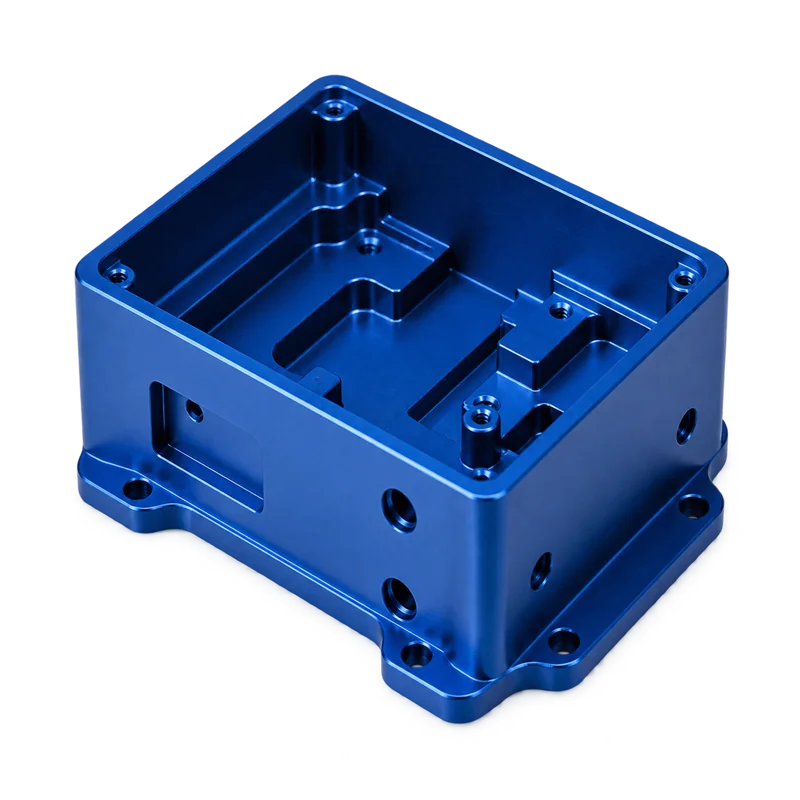
Surface protection for housings, optics mounts, brackets, controls, and aluminum parts exposed to wear or corrosion.
Explore Type II & Hardcoat Anodizing →
Conductive and protective finishes for connectors, terminals, shielding parts, hardware, and corrosion-prone components.
Explore Electroplating →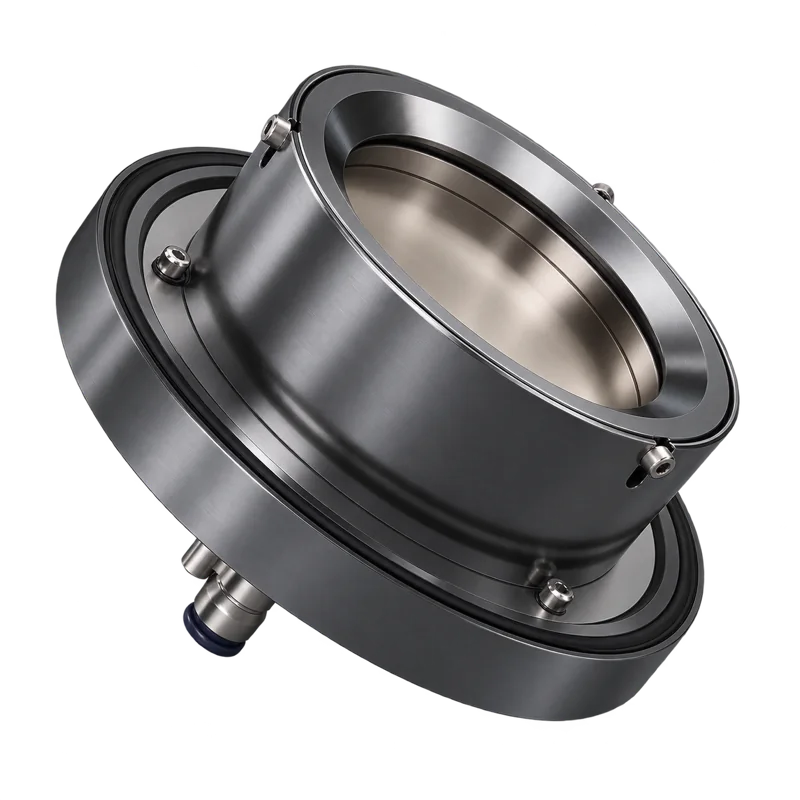
Thin coatings for control hardware, optical-system parts, and surfaces requiring hardness or controlled appearance.
Explore PVD Coating →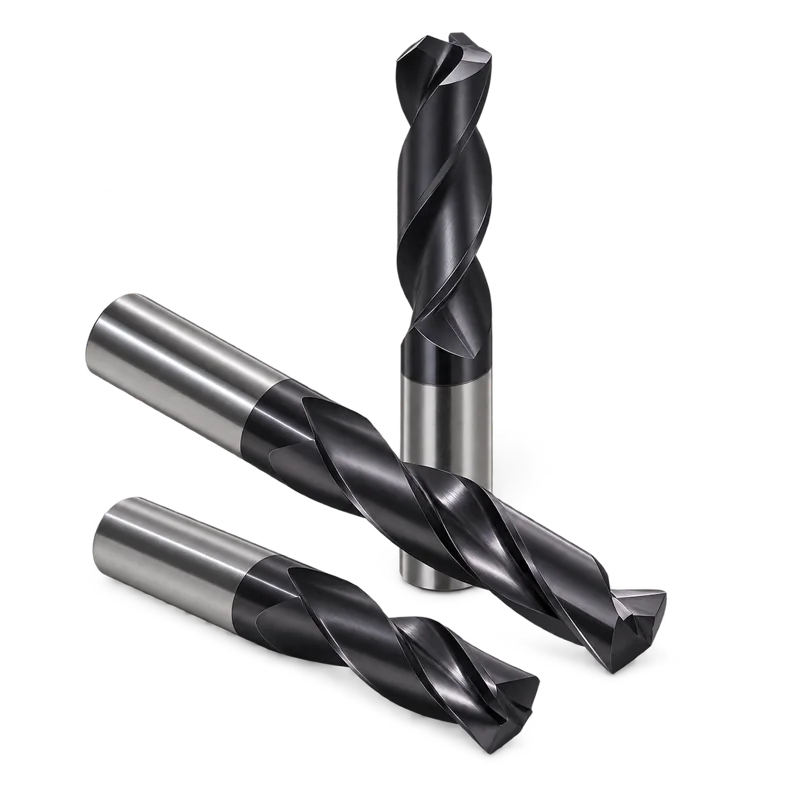
Low-friction protection for pins, shafts, guides, valves, and moving interfaces with minimal dimensional change.
Explore DLC Coating →Send the latest drawing or model, material, quantities, finish callout, critical dimensions, operating environment, and documentation needs. These inputs guide feasibility, masking, fixturing, thickness, inspection, and sample validation.
Share the drawing, material, quantities, applicable specification, critical dimensions, finish requirements, and delivery destination.