
Automation & Robotics
Frames, guards, brackets, gripper parts, actuator components, shafts, guides, and sensor mounts.
JLYPT combines fabrication, stamping, and engineered surface finishes for industrial components exposed to continuous operation, handling, chemicals, corrosion, friction, impact, and demanding assembly conditions.
Review My Component →Explore CapabilitiesOur team reviews the part function and operating environment before selecting the manufacturing and finishing route.
Frames, guards, brackets, gripper parts, actuator components, shafts, guides, and sensor mounts.
Panels, covers, fixtures, wear plates, motion parts, enclosures, and formed assemblies.
Bodies, shafts, pins, sealing interfaces, brackets, fasteners, and corrosion-exposed components.
Cabinets, chassis, busbars, contacts, heat sinks, control panels, and grounding hardware.
Guides, retainers, structural brackets, protective covers, clips, and high-cycle moving parts.
Custom sheet metal, stamped hardware, visible controls, precision components, and coordinated finished assemblies.
Each capability is connected to specific component families and functional requirements—not presented as a generic service list.
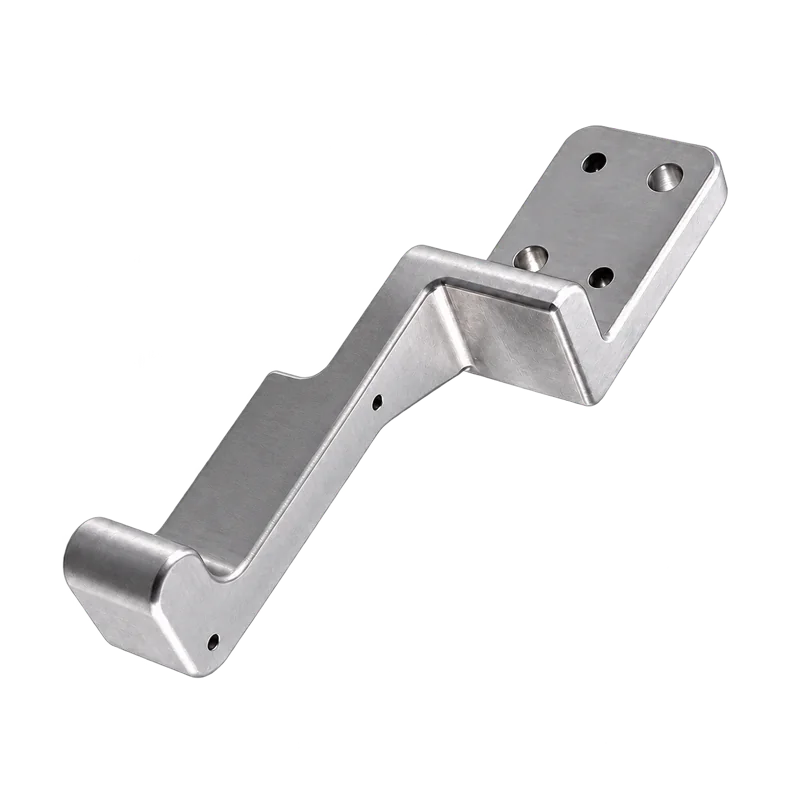
Laser-cut, bent, welded, and assembled sheet metal for machinery, controls, automation cells, and production equipment.
Explore Metal Fabrication →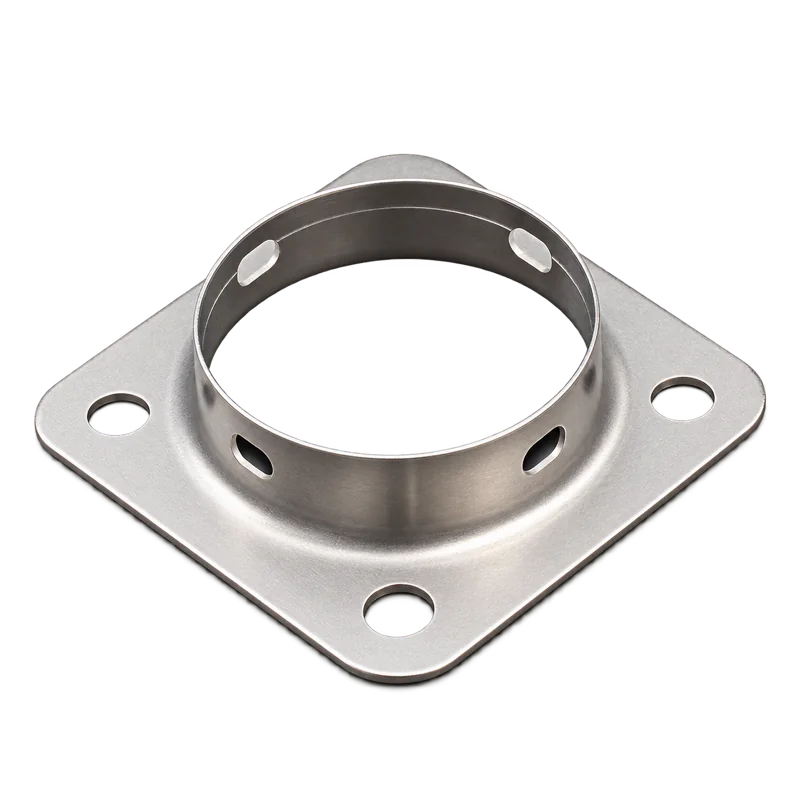
Repeatable formed parts for fastening, retention, shielding, electrical contact, and equipment assembly.
Explore Metal Stamping →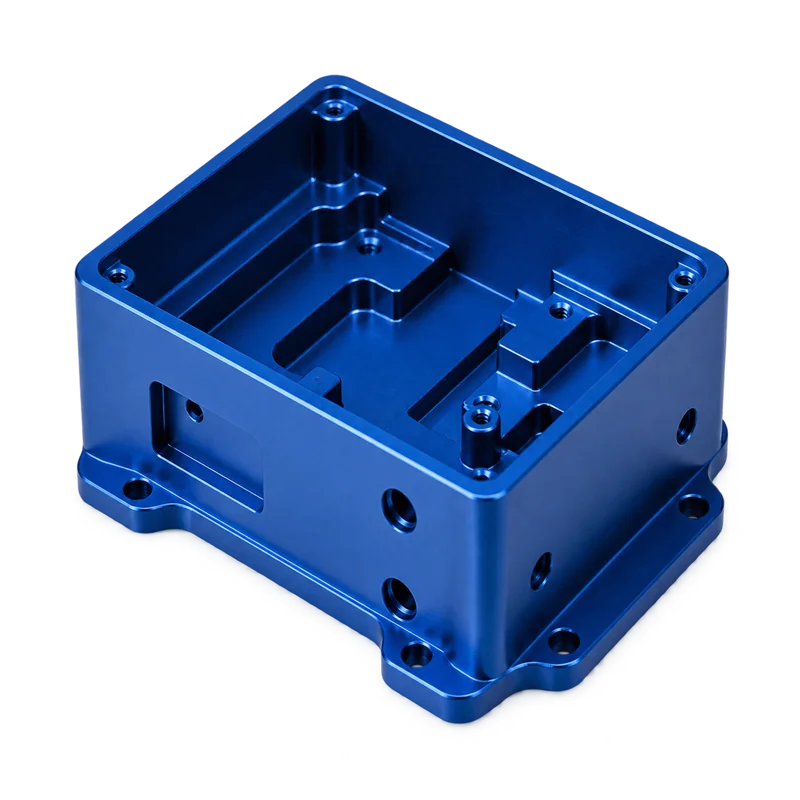
Corrosion, wear, insulation, and appearance control for housings, fixtures, handles, mounts, and precision aluminum parts.
Explore Anodizing →
Engineered finishes for busbars, terminals, fasteners, connectors, machine hardware, and decorative components.
Explore Electroplating →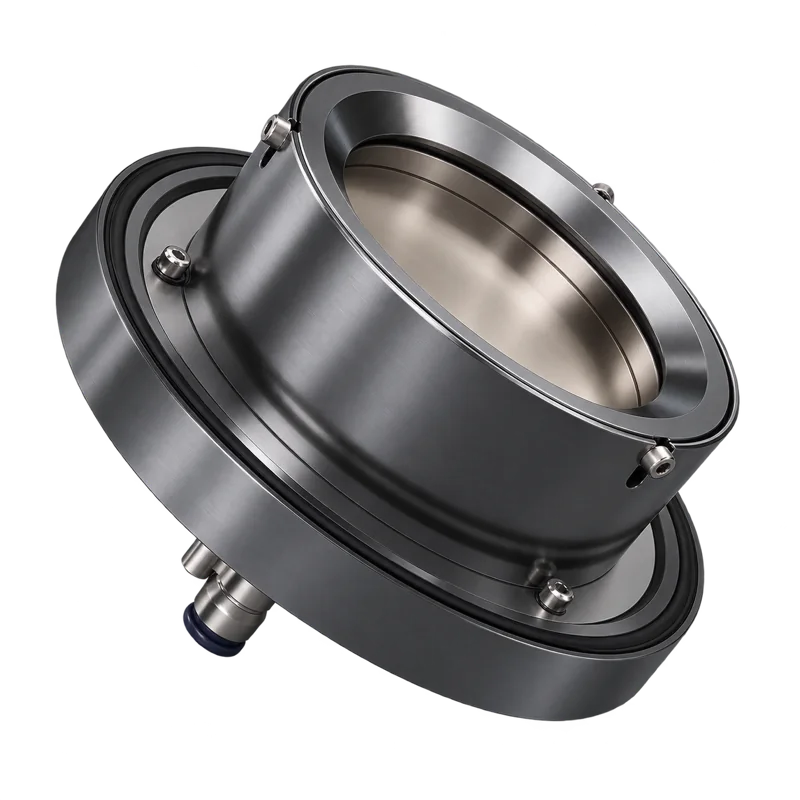
Thin hard coatings for knobs, handles, bezels, guides, tooling, and visible machine components.
Explore PVD Coating →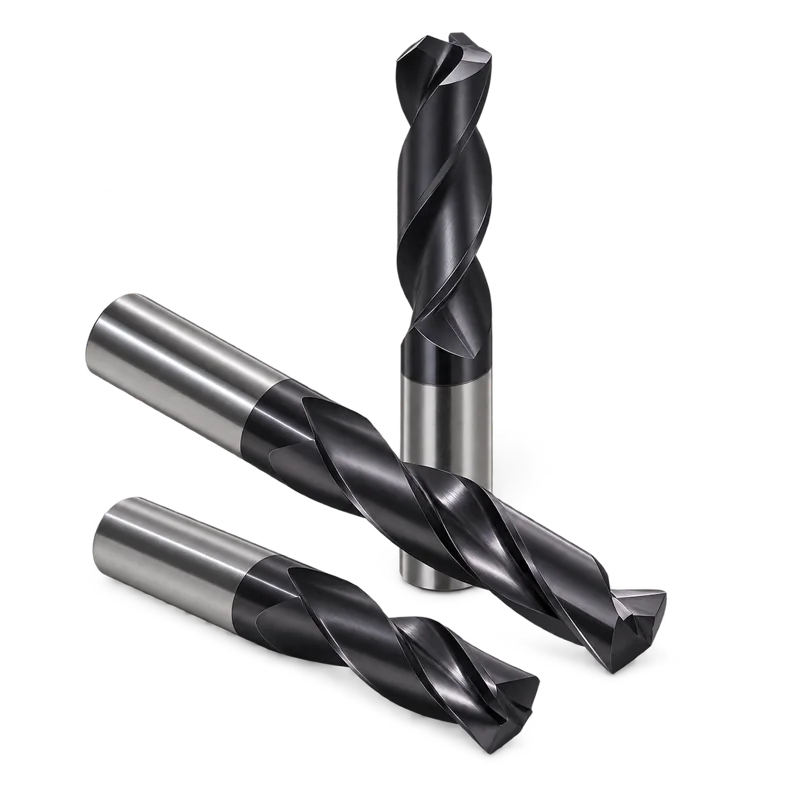
Low-friction, high-hardness protection for sliding, sealing, cutting, forming, and wear-critical interfaces.
Explore DLC Coating →Send the latest drawing or model, material, quantities, finish callout, critical dimensions, operating environment, and documentation needs. These inputs guide feasibility, masking, fixturing, thickness, inspection, and sample validation.
Share the drawing, material, quantities, applicable specification, critical dimensions, finish requirements, and delivery destination.