
Power Electronics
Inverter, converter, power-supply, charging, and energy-storage enclosures, busbars, terminals, and heat-management parts.
JLYPT manufactures and finishes electronics hardware around conductivity, grounding, EMI shielding, thermal performance, corrosion protection, dielectric requirements, cosmetic appearance, and assembly fit.
Review My Component →Explore CapabilitiesOur team reviews the part function and operating environment before selecting the manufacturing and finishing route.
Inverter, converter, power-supply, charging, and energy-storage enclosures, busbars, terminals, and heat-management parts.
Contacts, terminals, shells, grounding tabs, shielding parts, clips, and small formed hardware.
Heat sinks, aluminum housings, cold-plate covers, mounting frames, and thermally exposed structural parts.
Device frames, bezels, buttons, decorative trim, internal brackets, shields, and precision housings.
Control cabinets, panels, brackets, operator interfaces, sensor housings, and cable-management hardware.
Rack hardware, chassis, RF shields, module housings, faceplates, and grounding components.
Each capability is connected to specific component families and functional requirements—not presented as a generic service list.
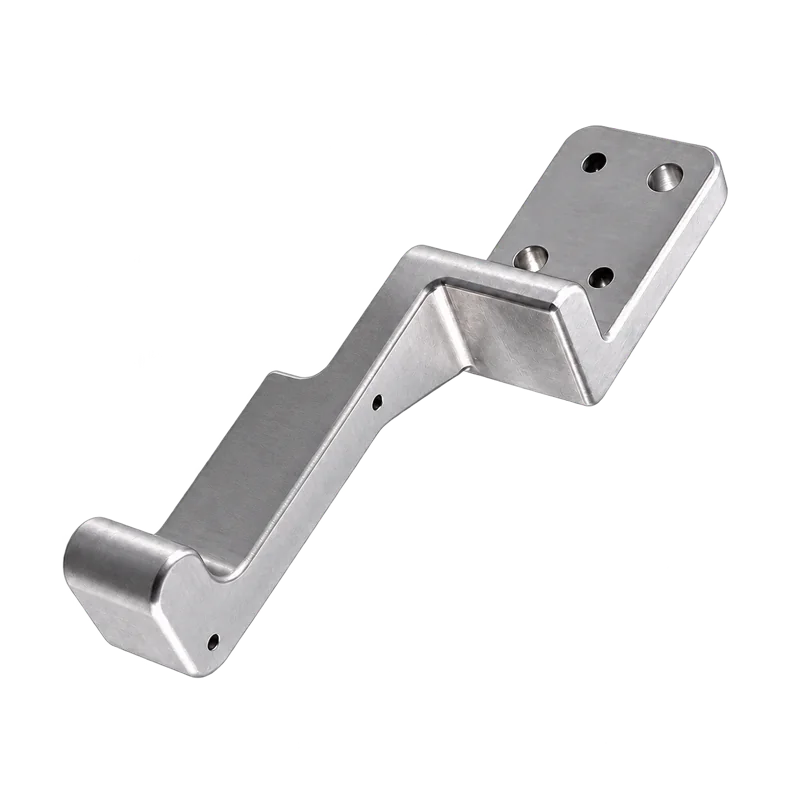
Formed and assembled sheet metal for power supplies, controls, telecom chassis, covers, panels, and EMI structures.
Explore Metal Fabrication →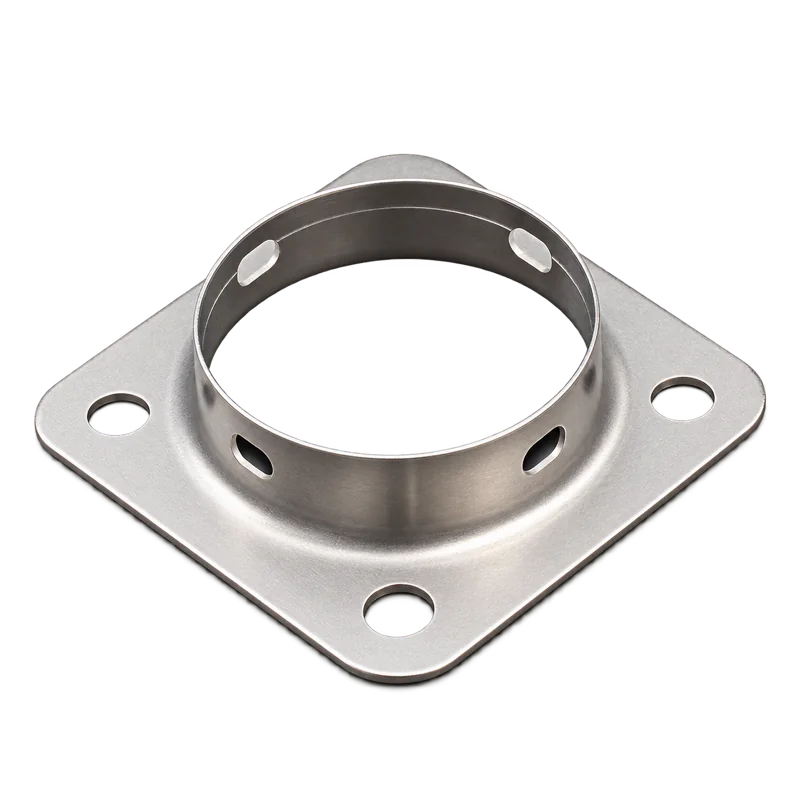
Repeatable conductive parts, connector contacts, retainers, spring features, shields, and mounting hardware.
Explore Metal Stamping →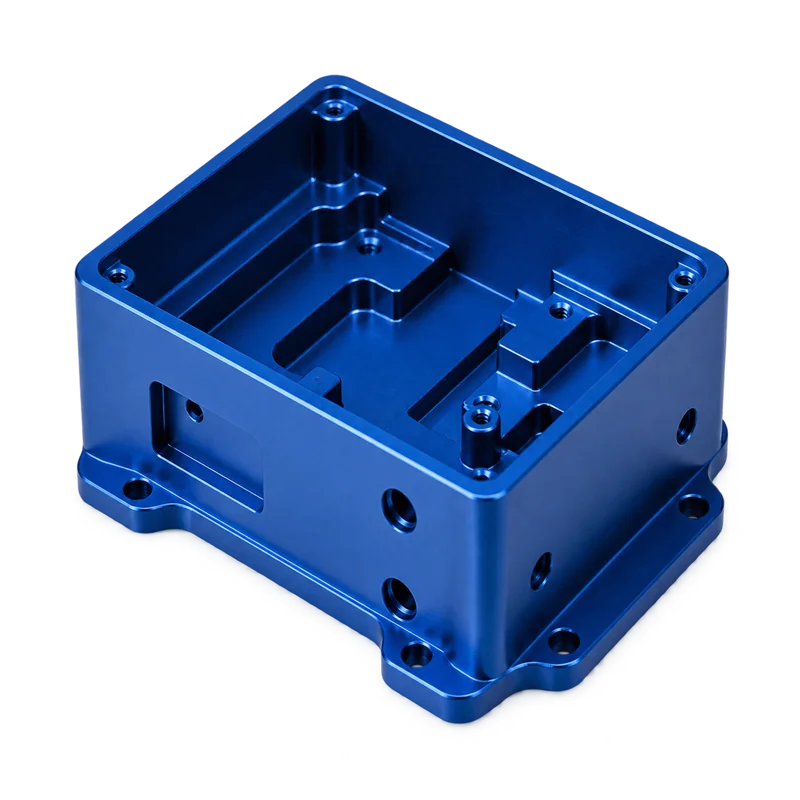
Corrosion protection, electrical insulation, wear resistance, and controlled appearance for aluminum housings and heat sinks.
Explore Anodizing →
Copper, nickel, chrome, zinc, and specified plating systems for conductivity, solderability, contact life, and protection.
Explore Electroplating →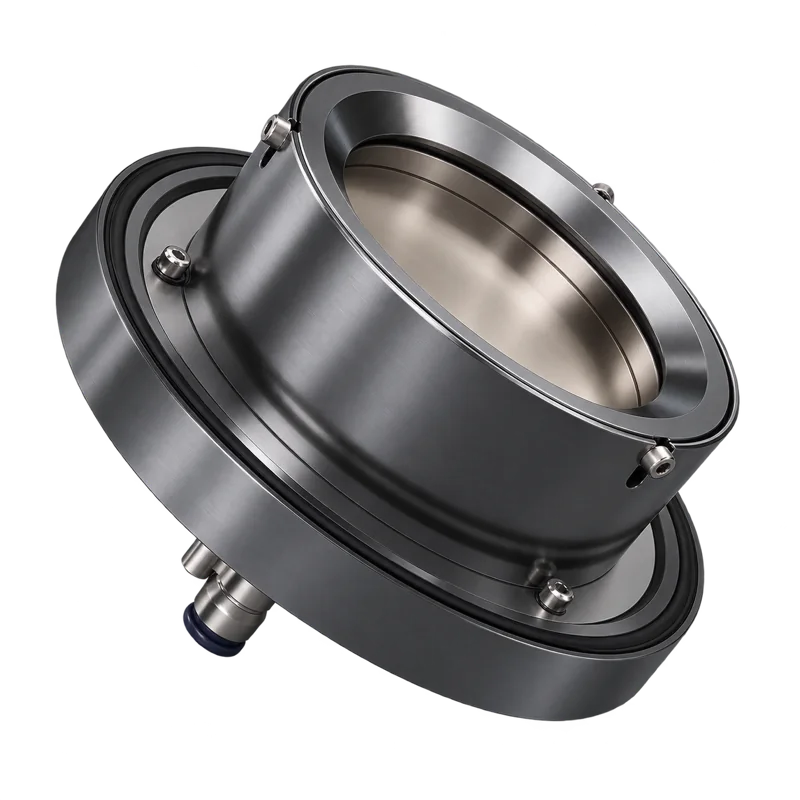
Thin decorative and hard coatings for bezels, buttons, knobs, frames, and premium visible hardware.
Explore PVD Coating →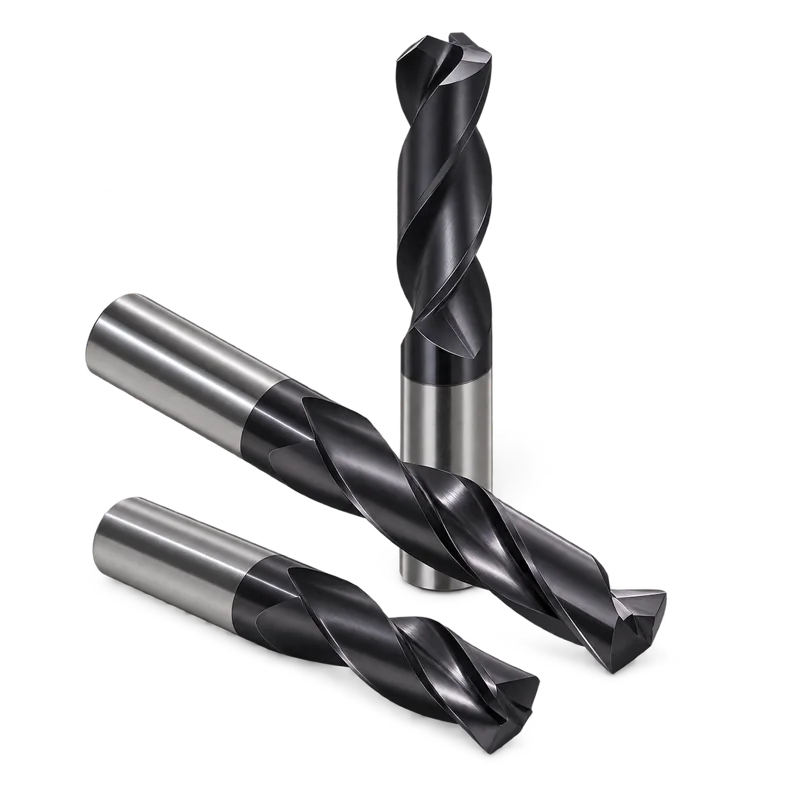
Low-friction wear protection for miniature shafts, guides, contact mechanisms, and precision production tooling.
Explore DLC Coating →Send the latest drawing or model, material, quantities, finish callout, critical dimensions, operating environment, and documentation needs. These inputs guide feasibility, masking, fixturing, thickness, inspection, and sample validation.
Share the drawing, material, quantities, applicable specification, critical dimensions, finish requirements, and delivery destination.