
Clear/Natural Anodizing Services
Clear anodizing boosts aluminum’s durability, corrosion resistance, and wear performance while preserving its metallic look. Precision-built for industrial, medical, and aerospace use with streamlined production compatibility.

Clear/Natural Anodizing
Clear or natural anodizing is an electrochemical process that enhances and thickens the natural oxide layer that already exists on the surface of aluminum. This process results in a hard, transparent, and colorless finish that preserves the original metallic appearance of the part while improving its durability and resistance to corrosion. Unlike dyed anodizing, clear anodizing does not involve the use of pigments or color additives, allowing the natural luster and texture of the aluminum to remain visible through the anodic layer. It is most commonly performed using sulfuric acid, following Type II anodizing standards, and typically conforms to MIL-A-8625 Type II, Class 1 specifications for non-dyed finishes.
At JLY Metal Finish, we specialize in providing high-precision clear anodizing solutions tailored to industries that demand both performance and aesthetics. Our process ensures consistent oxide thickness, excellent adhesion for secondary finishes or bonding applications, and a uniform, high-purity finish across complex geometries. Whether used for aerospace brackets that require lightweight corrosion resistance, medical housings that must endure repeated sterilization cycles, or architectural elements where a sleek, metallic look is essential, our clear anodizing services deliver a reliable, clean finish that meets strict technical and visual standards. We prioritize surface cleanliness, dimensional stability, and process control to ensure every part performs reliably in its intended environment—without compromising the raw beauty of aluminum.
Benefits of Clear/Natural Anodizing
- Protects aluminum from corrosion and oxidation
- Increases surface hardness and wear resistance
- Retains metallic appearance without added pigments
- Improves adhesion for paint, glue, or secondary coatings
- Uniform, controlled thickness for dimensional tolerance parts
- Electrically insulative surface (non-conductive)
- Compatible with post-treatment sealing (hot DI water, nickel acetate)
- Environmentally stable, no peeling, chipping, or flaking
Clear/Natural Anodizing Specifications
| Attribute | Details |
|---|---|
| Standard | MIL-A-8625 Type II, Class 1 |
| Thickness Range | 5 µm – 25 µm (0.2–1.0 mils) |
| Color Appearance | Transparent / Metallic / Slight Gray Tint |
| Base Alloys | 6061, 5052, 7075, 2024, 3003 (and others) |
| Porosity | Microporous, sealable |
| Electrical | Electrically non-conductive (surface only) |
| Adhesion | Excellent base for printing, bonding, coatings |
Technical Specifications
- Process Type:
Clear anodizing uses a sulfuric acid bath with applied voltage to convert the aluminum surface into a durable oxide layer. No dye is used, and parts can be optionally sealed post-process for increased protection. - Thickness Control:
Standard thickness ranges from 5 to 25 microns (0.2–1.0 mils) depending on alloy and use case. Thinner layers are common in decorative or precision-machined parts; thicker layers are chosen for improved corrosion and wear resistance. - Compatible Alloys:
Works best with aluminum alloys like 6061, 5052, and 3003. Alloys such as 2024 and 7075 may show color variation due to higher copper or zinc content. - Surface Appearance:
Final finish varies based on alloy, surface prep (etching, polishing), and anodizing duration. Expect metallic silver to light gray finishes with slight variances between lots. - Sealing:
Optional sealing (e.g., hot deionized water, nickel acetate) can be applied to close the porous oxide layer, enhancing corrosion resistance and color stability.
Design & Tolerance Best Practices
- Account for Coating Build-Up:
Clear anodizing adds 5–25 µm (0.2–1.0 mils). Consider clearance in close-fit assemblies. - Masking Critical Areas:
Pre-plan masking for threads, contact points, or electrical ground zones. Anodized surfaces are electrically insulating. - Surface Preparation:
Clean, etched, or mechanically polished surfaces yield the best adhesion and consistent appearance. Surface prep determines final finish texture (matte, satin, bright). - Alloy-Specific Finish Variation:
High-copper alloys (e.g., 2024) can darken during anodizing, these are not defects but a known material characteristic. - Avoid Sharp Edges:
Slight radiusing improves oxide uniformity and reduces risk of chipping or thin-spotting.
Color Options – Clear/Natural Anodizing (Dyed Finishes)
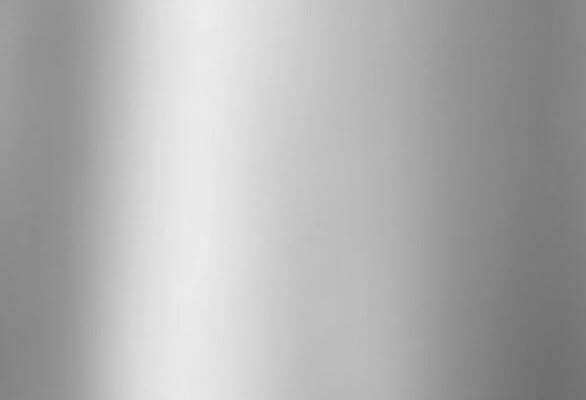
Light Grey
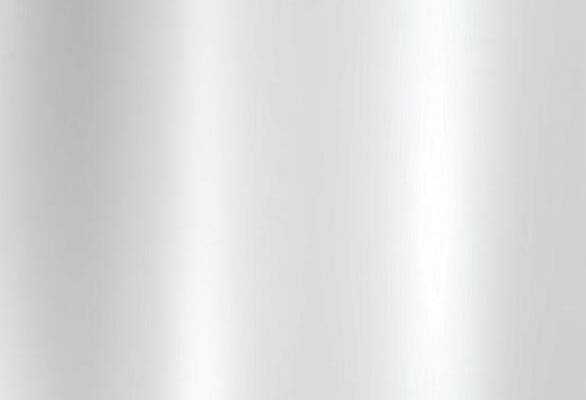
Silvery Matte
Why Choose JLY Metal Finish for Clear Anodizing?
- MIL-Spec Compliant: Fully compliant with MIL-A-8625 Type II, Class 1 and ISO 9001:2015 quality systems. Ideal for aerospace, defense, and precision electronics.
- Precision Thickness Control: We monitor oxide layer thickness using in-process testing and post-anodize inspection to ensure consistent, high-performance surfaces.
- Custom Masking Solutions: Our team applies precise masking for mechanical and electrical contact zones, preserving critical dimensions and function.
- Fast Turnaround: Clear anodizing jobs typically ship in 3–5 business days with expedited options available.
- Versatile Applications: Whether used standalone or as a base for further finishing (like dyeing, PTFE infusion, or sealing), our clear anodize process ensures a dependable foundation.
Clear/Natural Anodizing for Different Industries
Aerospace
Structural components, brackets, and housings benefit from lightweight, non-pigmented anodizing that enhances corrosion resistance without adding unnecessary weight ideal for flight-critical applications.
Defense
Tactical enclosures, mounts, and structural components use clear anodizing (Type II, Class 1) to provide a corrosion-resistant, non-reflective finish ideal for weight-sensitive defense applications in controlled environments.
Medical
Surgical trays, sterilizable housings, and diagnostic equipment use clear anodizing for biocompatible, non-reactive surfaces that withstand repeated autoclave cycles and resist chemical degradation.
Automotive
Interior trim, lightweight brackets, and EV battery enclosures utilize clear anodizing to preserve the aluminum’s clean finish while offering scratch resistance and long-term corrosion protection.
Electronics
Heatsinks, control panels, and electronic enclosures exploit anodizing’s non‑conductive oxide layer for electrical insulation, enhanced corrosion resistance, and a uniform, professional finish.
Architectural
Curtain wall elements, handles, and hardware rely on clear anodizing for a sleek, modern appearance combined with UV stability and protection against environmental wear.
Energy / Power
Clear anodizing is used on solar frames, connectors, and wind turbine parts to ensure corrosion resistance, UV stability, and mechanical durability under fluctuating climates.
Commercial
Clear anodized rollers, fixtures, and equipment surfaces offer clean aesthetics, abrasion resistance, and reduced maintenance for high-traffic or food-safe environments.
Anodizing Certifications & Compliance
- ISO 9001:2015 Certified
- MIL-A-8625 Type II & III Compliant
- Certificates of Conformance available with fee
Frequently Asked Questions
What is clear (natural) anodizing?
An electrochemical process (Type II) that forms a transparent oxide layer on aluminum boosting corrosion and wear resistance while keeping the original metallic finish.
How thick is the anodized layer?
Typically 5–25 µm (0.2–1.0 mils) for clear anodizing. Thickness affects durability and appearance.
Which aluminum alloys are compatible?
Best results on alloys like 6061, 5052, 3003, and 7075. High-copper types (2024, 7075) may show slight color variation.
Is it environmentally friendly?
Yes, no heavy metal plating, and effluents like aluminum hydroxide are recyclable.
Can anodized parts be painted or glued?
Absolutely, the porous surface enhances adhesion for painting, adhesives, or secondary coatings.
Does it improve wear resistance?
Yes, the oxide layer is much harder (almost sapphire-like), offering excellent scratch and wear protection.
Clear vs. hardcoat anodizing, what’s the difference?
Clear (Type II) has a thinner, decorative layer (5–25 µm). Hardcoat (Type III) is thicker (12–100 µm) and much tougher, better for heavy-wear applications.
Is clear anodizing suitable for outdoor use in hot China climates?
Yes, clear anodizing creates a durable oxide layer that withstands intense UV exposure, high heat, and fluctuating China weather without fading or degrading.
Can you match the finish of clear anodizing across multiple parts?
Yes, with proper racking, surface prep, and alloy consistency, we maintain a uniform finish that is ideal for multi-part assemblies or visible architectural hardware.
Is clear anodizing compliant with MIL‑A‑8625 specifications?
Definitely. We offer both Type II and Type III clear anodizing in full compliance with MIL‑A‑8625 standards for thickness, sealing, and corrosion resistance.
Sub-Services
- Laser Engraving on Anodized Aluminum
- Bare Aluminum, Stainless Steel, and Plastics
- Part Number, Serial Number, and Nameplate
- Logo and Branding Engraving
- Control Panel and Equipment Label Engraving
- Deep Laser Marking for High-Wear Applications
- Precision Component Identification
Related Services
Advanced Metal Finishing Solutions
WHY CHOOSE US
Decades Of Industry Expertise
Trusted by leading manufacturers for solving complex finishing challenges.
ISO 9001 Compliant Quality Control
We meet rigorous aerospace, defense, and industrial standards—all delivered under one roof.
Two Facilities, Modern Equipment
Equipped to handle high-volume, high-spec projects with speed and accuracy across industries.
Eco-Conscious & Compliant
Sustainability isn’t an add-on—it’s engineered into every step of our process and facility design.
Our SERVICES
From Coating to Cutting—We Handle It All.
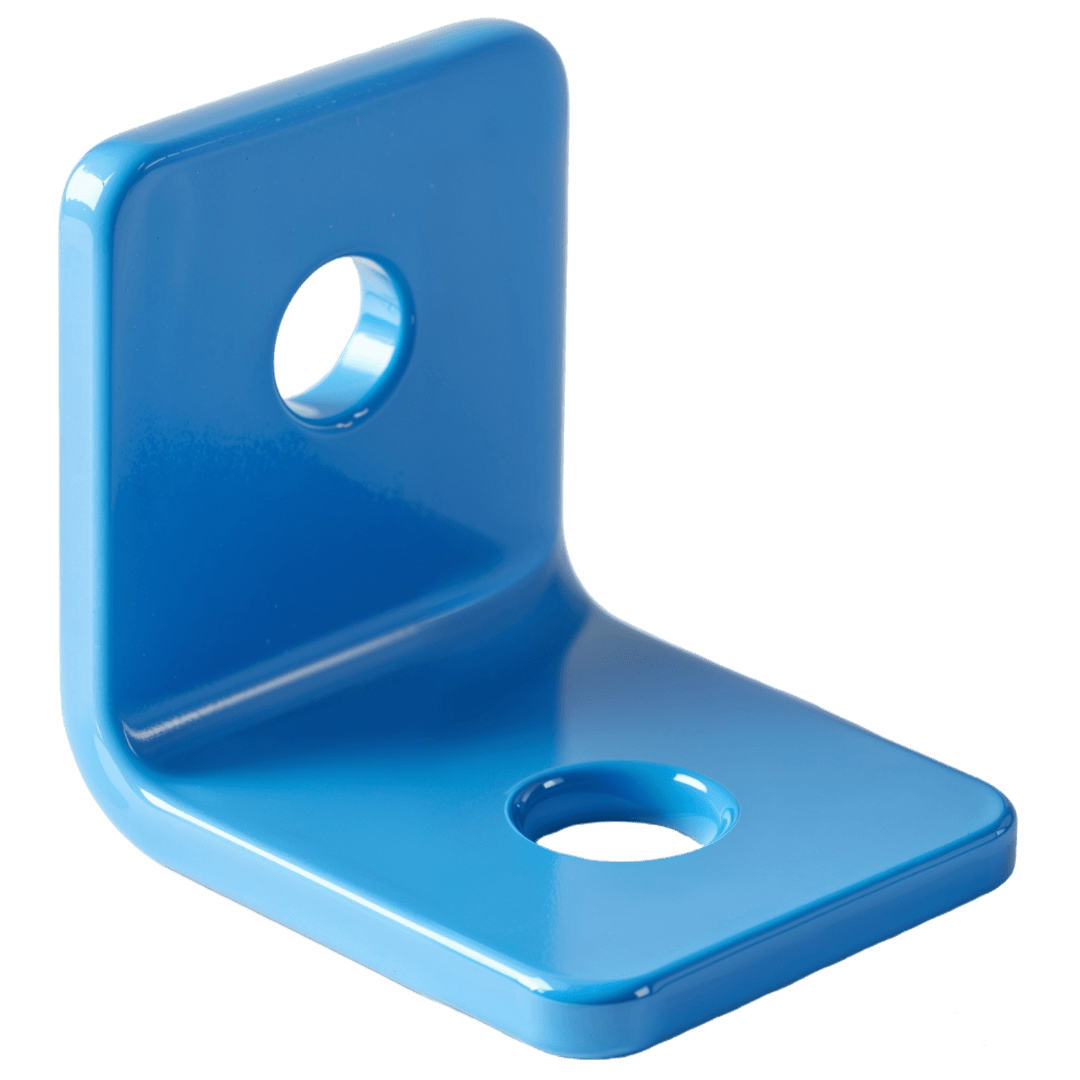
Powder Coating
Applies baked-on powder finishes to metal for a tough, vibrant, and protective coating. Ideal for durability, weather resistance, and enhancing both lifespan and appearance.
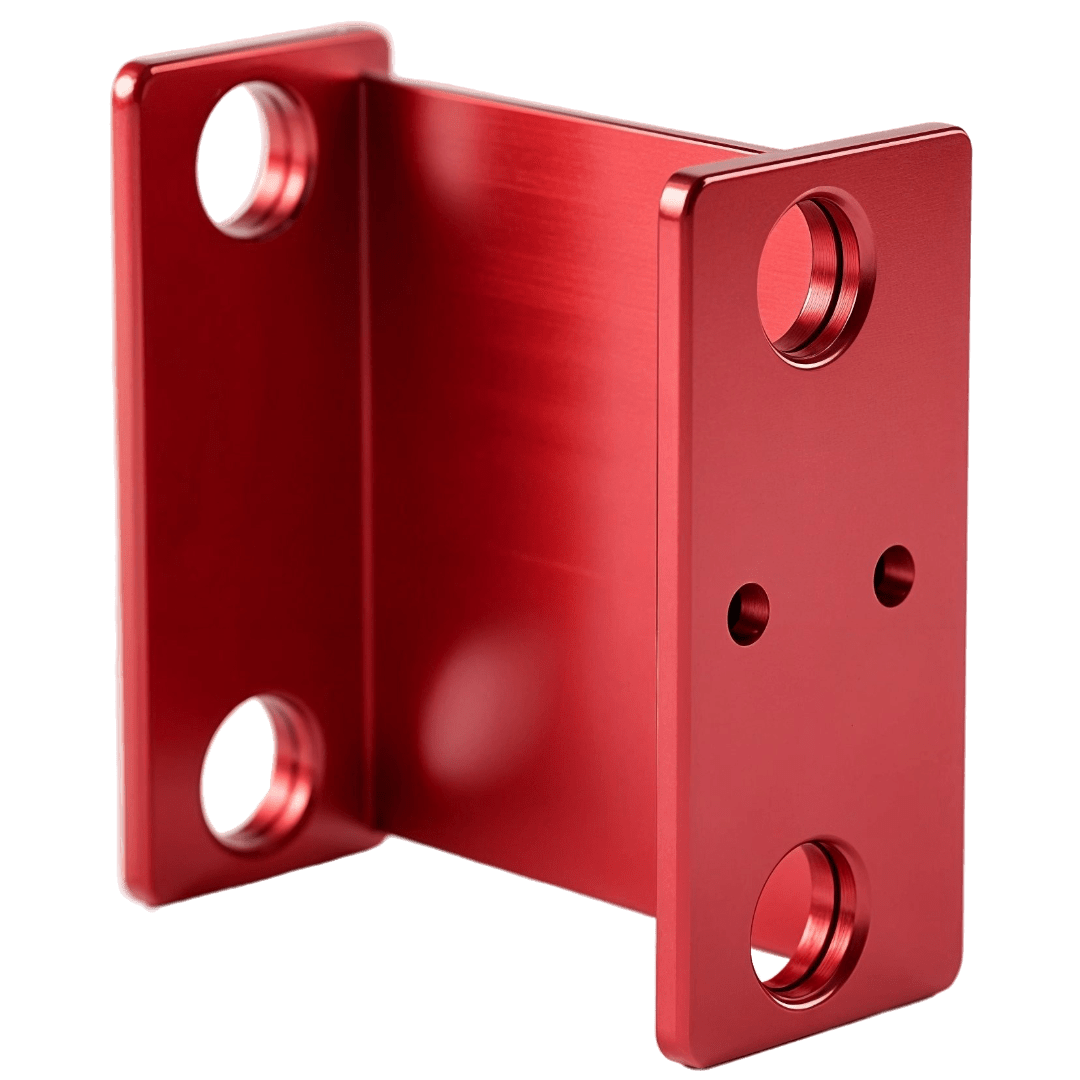
Anodizing
Converts aluminum surfaces into a durable oxide layer that boosts corrosion resistance, wear resistance, & electrical insulation—ideal for industrial, & decorative applications.
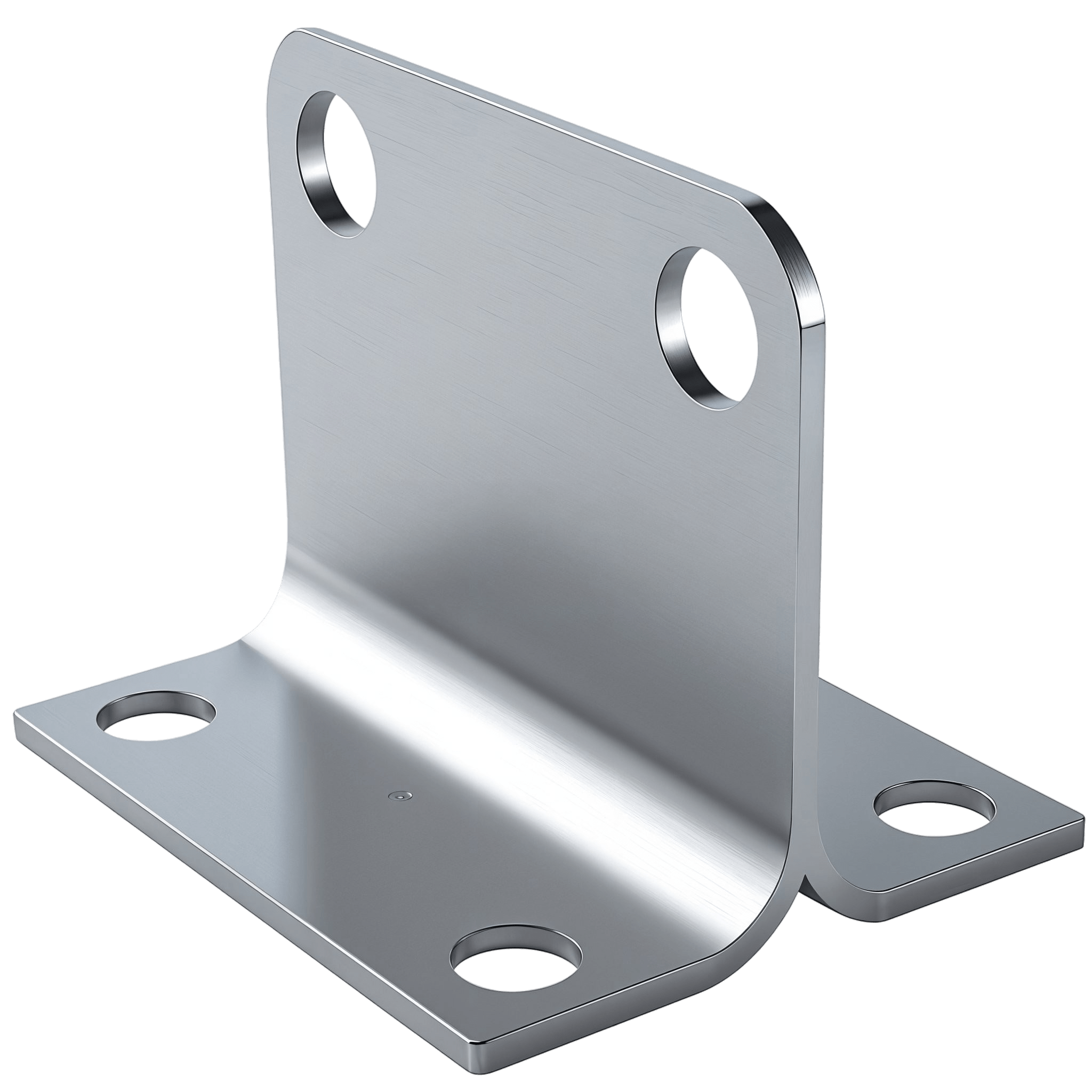
Chromate Conversion
Chemically treats metal to improve corrosion resistance and paint adhesion. Uses trivalent chromium compounds via dipping, spraying, or brushing to create a protective layer.
Fast and economical method to print crisp, multi-color graphics on various materials. Great for labels, logos, and signs that require durability and long-lasting clarity.
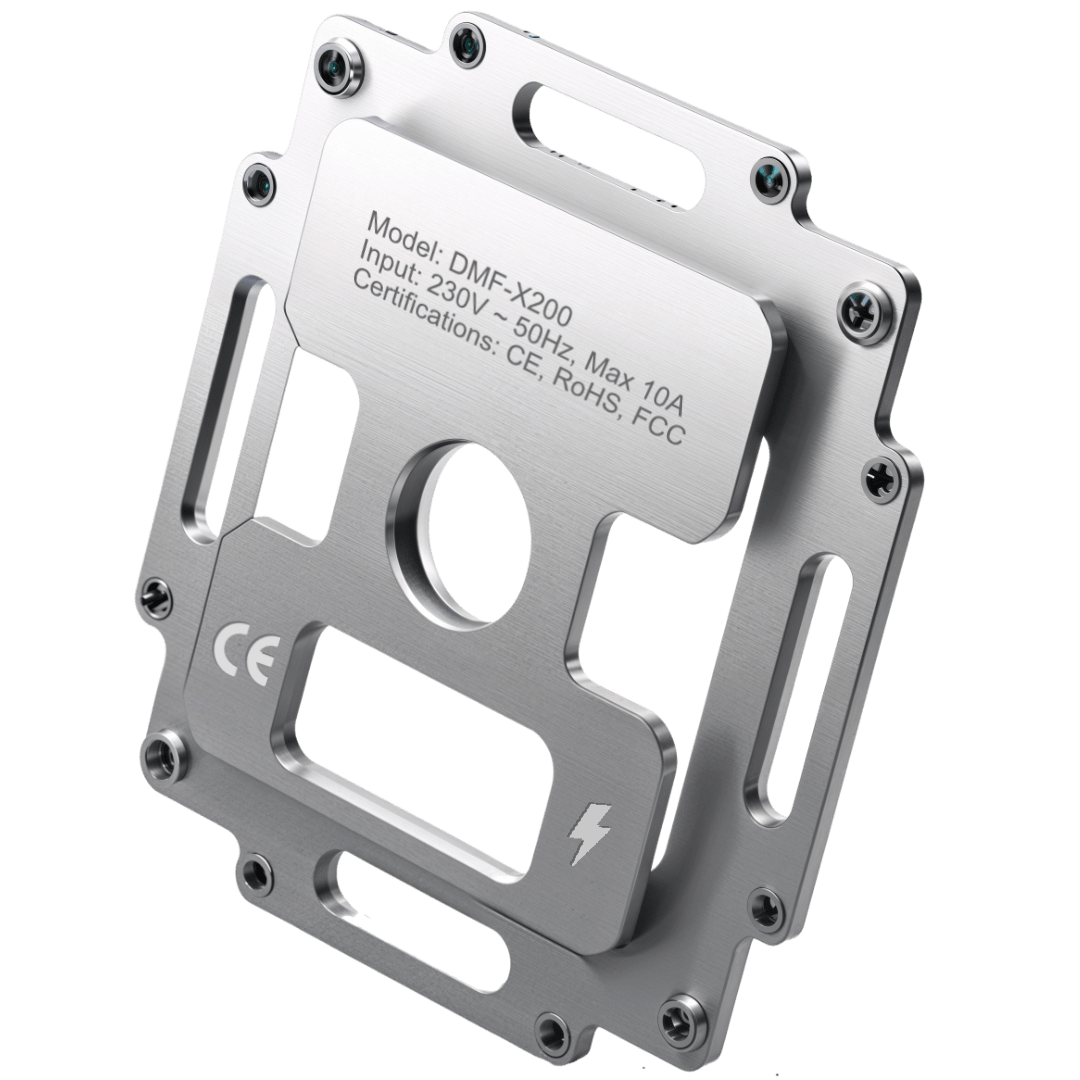
Laser Engraving
Uses lasers to mark metals with sharp, detailed, and lasting graphics or codes. Supports both deep engraving and surface etching, depending on project requirements.
Delivers full-color, high-resolution graphics and labels on multiple surfaces. Best for short runs, prototypes, and custom signage with minimal setup and fast turnaround.
Produces weatherproof, high-visibility signs built for long-term outdoor durability. Crisp graphics, reflective coatings, and rugged materials ensure compliance and performance.
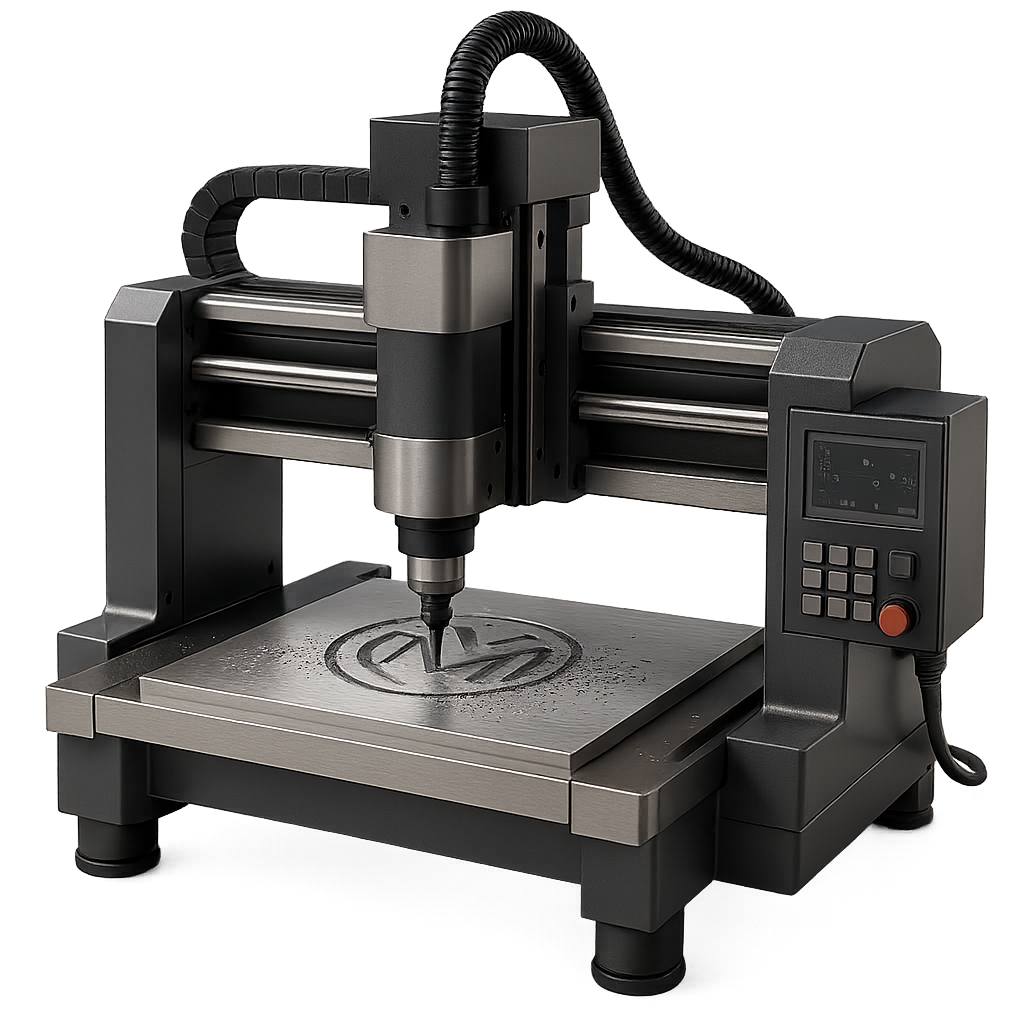
CNC Routing
Provides high-precision cutting of metal parts using computer-controlled machinery. Ideal for custom components, panels, and enclosures with clean edges & tight tolerances.
Our Facility
Built for Scale. Engineered for Speed.
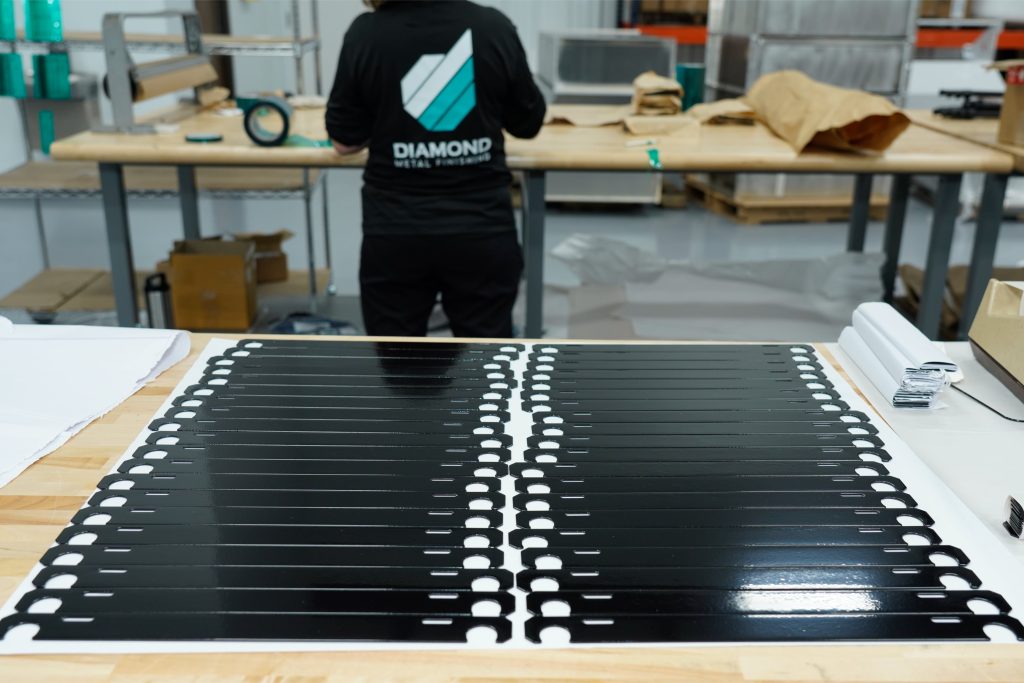
Streamlined
process & on-time-delivery.
Efficient With Quick Turnaround Times
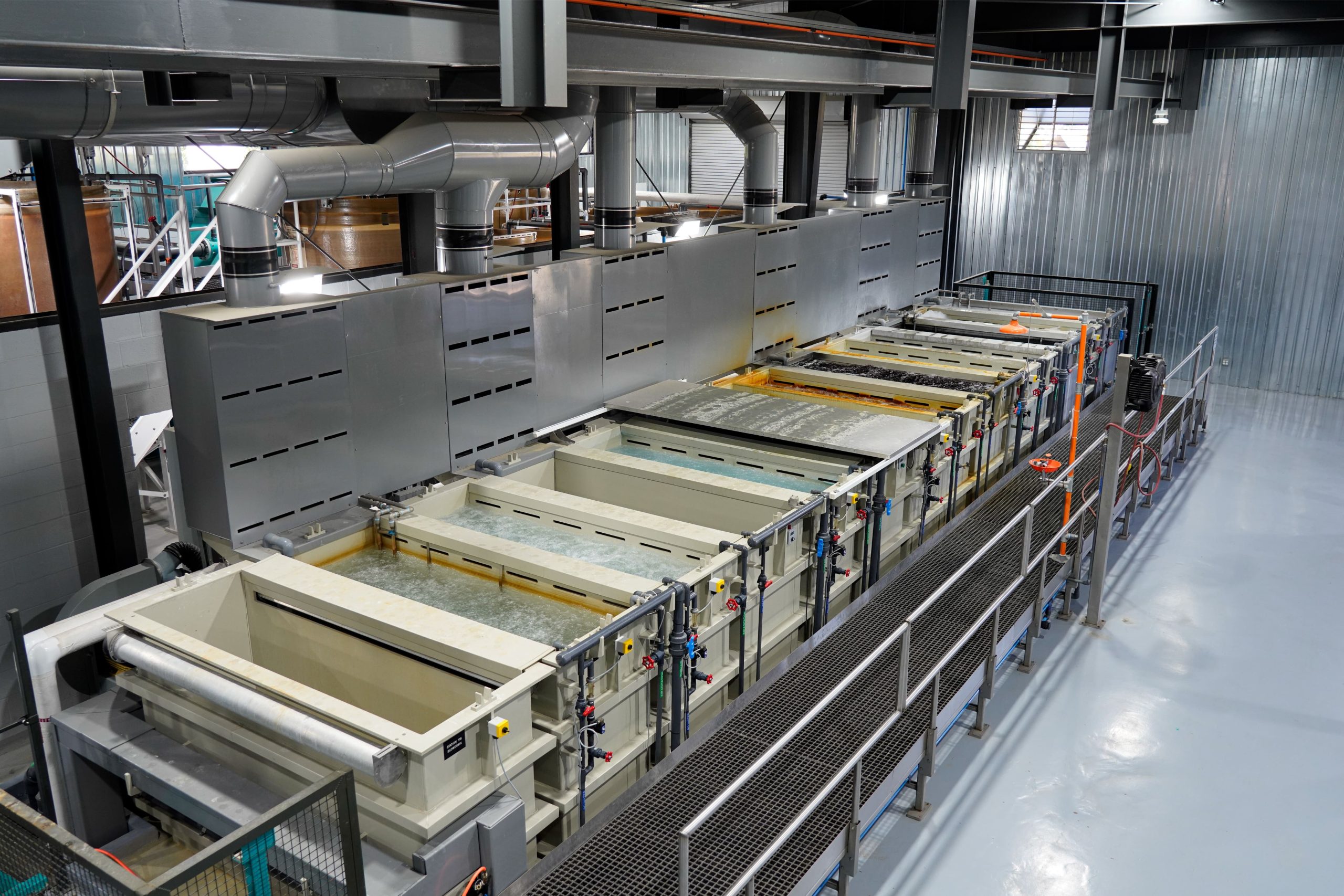
1st Facility
11,200+
sq-ft finishing facility.
Advanced Chemical Processing Facility
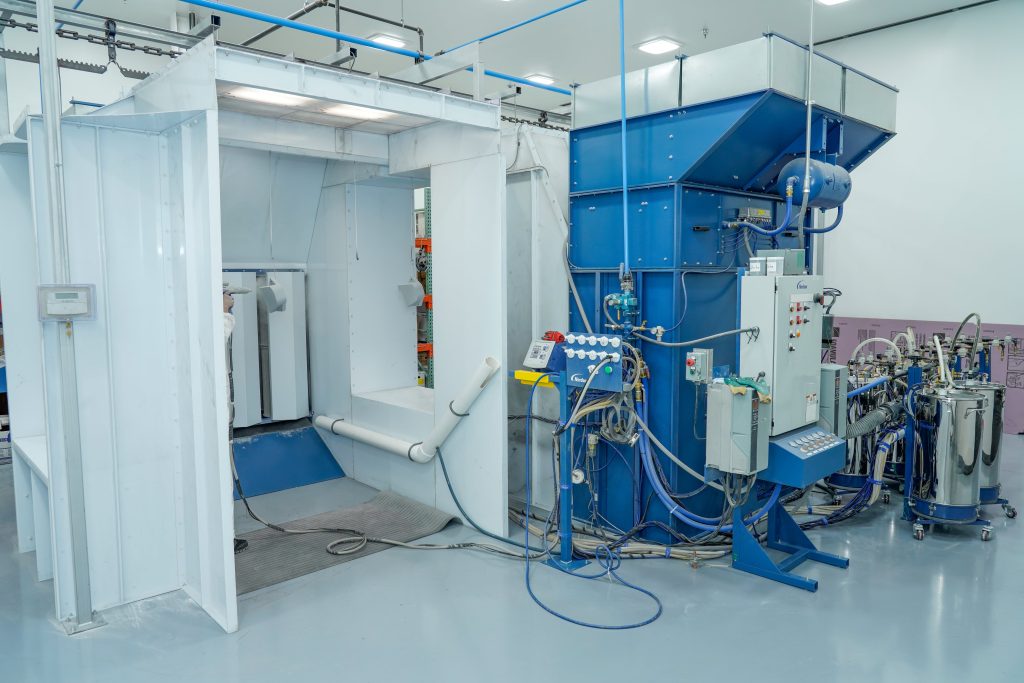
2nd Facility
21,200+
sq-ft coating facility.
Latest Powder Coating Technologies
Precision Finishing.
Delivered Fast.
Trusted by industrial manufacturers across a wide range of industries.
Because getting it right the first time, every time, is non-negotiable.
CLIENT STORIES
Hear from Our Customers
JLY Metal Finish has significantly eased our finishing process challenges, consistently accommodating and expediting to meet our tight timelines. Their support has positioned Star Precision to reach new heights, growth that would’ve been difficult without such a reliable finishing partner.
Mike B.
Quality Manager, Star Precision
How Star Precision Streamlined Production with Reliable Metal Finishing
How Metal Techniques Solved Lead Time & Quality Issue.
join the success
These are just a few of our successful clients

What services does JLY Metal Finish offer?
JLY Metal Finish provides integrated metal manufacturing and finishing services, including Metal Fabrication, Stamping, Anodizing, Electroplating, PVD Coating, and DLC Coating. We support projects from prototypes and sample validation through scalable production, with engineering review based on your drawings, materials, finish requirements, quantity, and delivery needs.
How is pricing determined?
Pricing depends on several factors: type of service (e.g., powder coating, anodizing, traffic signs), part size, quantity, and any custom requirements. For the most accurate estimate, send us your drawings, photos, and finish specifications.
What is the typical lead time for metal finishing orders?
Most projects are completed within 5 business days. Turnaround time varies by service (powder coating vs. anodizing), volume, and workload. Expedited services are available upon request.
Do you require minimum order quantity requirement?
We do not have strict minimums. Whether you need one prototype part or a high-volume production run, we can help. Larger batch sizes typically result in better pricing.
What quality standards does JLY Metal Finish follow?
We follow industry best practices for all types of services. Our team can meet MIL-SPEC, RoHS compliance, and other specifications based on your project needs. Quality checks are performed throughout every stage of production.
Can you provide a Certificate of Conformance (COC)?
COCs are provided upon request. A service fee may apply.
What types of metals can you finish?
Can you match custom colors or textures?
Do you provide surface preparation before the finish?
What are your accepted payment terms and methods?
Do you offer pickup, delivery, or shipping for all services?
How can I request a quote?
Company-Related