
Precision Type III Hardcoat Anodizing
Get maximum wear, thermal, and dielectric protection with MIL‑A‑8625 Type III hardcoat anodizing—25–63 µm dense oxide, Rockwell C 60+ hardness, and seamless fit for high-stress components.


Trusted by aerospace OEMs, defense contractors, and performance manufacturers for critical anodizing.
Type III Hardcoat Anodizing
JLY Metal Finish’s Type III hardcoat anodizing provides a dense, wear-resistant aluminum oxide layer (0.001″–0.0025″) that integrates seamlessly with the base metal. Engineered to meet MIL‑A‑8625 Type III specifications, our process creates a high-performance ceramic coating ideal for components exposed to extreme wear, high friction, or thermal cycling, such as aerospace fittings, military hardware, medical tooling, and precision automation parts.
By operating at low bath temperatures and high current densities, our hardcoat lines produce thick, microcrystalline oxide films with superior abrasion resistance, electrical insulation, and corrosion protection that is capable of withstanding >336 hours of salt spray exposure and up to 70 Rockwell C surface hardness. Typical finishes range from dark gray to black, with optional PTFE or Teflon infusion for enhanced lubricity and reduced friction in moving assemblies.
Supported by ISO 9001:2015 quality management and full traceability, our Type III anodizing delivers exceptional coating uniformity across complex geometries. JLY Metal Finish’s fixturing expertise, precise masking, and selectable sealing methods ensure dimensional integrity and end-use performance that is perfect for mission-critical, tight-tolerance components in demanding environments.
Benefits of Type III Hardcoat Anodizing
- Exceptional wear and abrasion resistance
- Excellent corrosion protection in harsh environments
- Superior hardness (up to 70 Rockwell C)
- High dielectric strength for electrical insulation
- Low friction surface for sliding/moving parts
- Long-term color stability with optional black dye
- Resistance to extreme temperatures (up to 250°C)
- Minimal dimensional distortion with tight tolerances
Type III Hardcoat Anodizing Specifications
| Attribute | Details |
|---|---|
| Standard | MIL-A-8625F Type III compliant |
| Thickness | 0.001" to 0.0025" (up to 2 mils), depending on application |
| Colors | Natural dark gray to black; black dye optional (limited color range) |
| Compatible Alloys | 6061, 2024, 7075, 3003, and other high-grade aluminum alloys |
| Porosity | Low porosity with dense microcrystalline structure |
| Electrical | Excellent dielectric properties; non-conductive coating |
| Lubricity | Moderate natural lubricity; can be enhanced with Teflon or PTFE sealants |
Technical Specifications
- Process Type:
Electrochemical oxidation in a sulphuric acid bath at low temperatures - Coating Thickness:
Typically 0.001″ to 0.0025″ (up to 2 mils), depending on part requirements - Color Options:
Natural dark gray to black. Optional black dye (limited due to low porosity) - Compatible Alloys:
Ideal for 6061, 2024, 7075, 3003, and most aluminum casting/machining grades - Porosity:
Very low, forms a dense, ceramic-like oxide layer - Electrical Insulation:
Excellent; dielectric strength typically ranges from 1200–1500 volts per mil - PTFE Infusion (Optional):
Available for increased lubricity and lower coefficient of friction
Design & Tolerance Best Practices
- Dimensional Growth:
Expect a total buildup of 0.001″ to 0.0025″, with roughly 50% penetrating inward and 50% building outward. Plan accordingly for tight-tolerance parts. - Masking Requirements:
Critical features like threads, close-fit bores, and mating surfaces should be masked using high-temp plugs or custom tapes to avoid coating in undesired areas. - Rack Marks & Fixturing:
Electrical contact points are required for anodizing and will leave visible rack marks. Clearly specify acceptable locations on technical drawings for cosmetic or functional parts. - Surface Preparation:
Surface finish before anodizing (machined, bead-blasted, or etched) directly impacts final appearance, coating adhesion, and thickness uniformity. Avoid tool marks or sharp burrs. - Sealing Options:
Hardcoat anodize can be left unsealed for improved wear resistance or infused with PTFE for enhanced lubricity. If corrosion resistance is prioritized, hot water or nickel acetate sealing is recommended.
Color Options – Type III Hardcoat Anodizing (Dyed Finishes)

Black
Available in both Type II & Type III
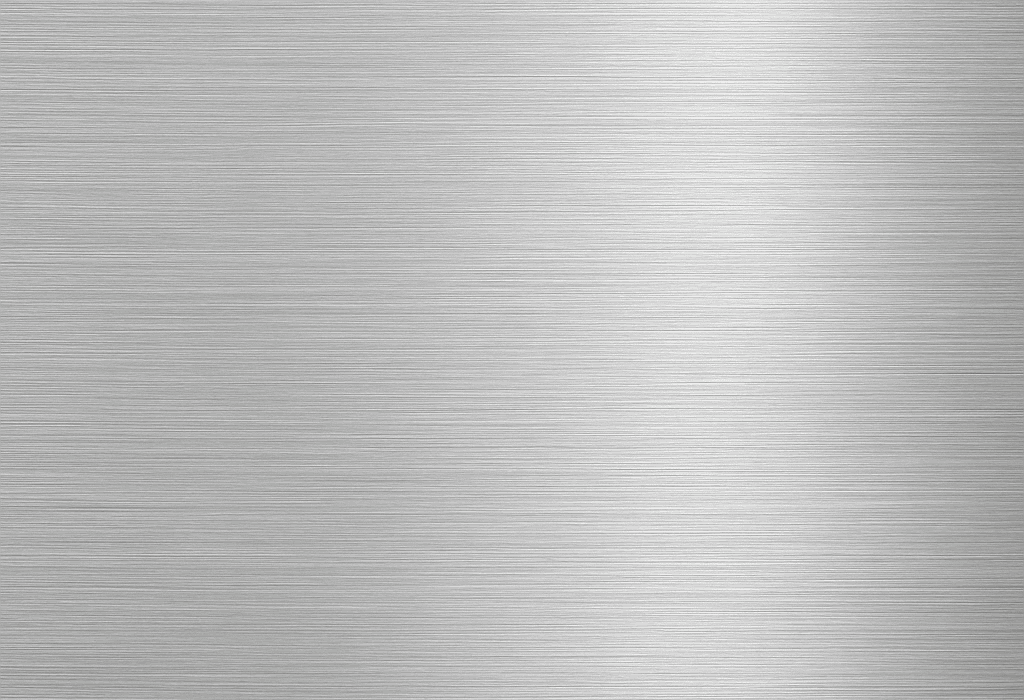
Dark Grey (Clear)
Type III only (material dependant tone)
Why Choose JLY Metal Finish for Type III Hardcoat Anodizing?
- MIL‑A‑8625 Type III Certified: Fully compliant with U.S. military standards for hard anodizing, ensuring reliable performance and consistency.
- Precision Thickness Control: Our process is tightly monitored for uniform coating buildup—ideal for parts with close tolerances or fit-critical surfaces.
- Robust Masking & Fixturing: We use high-precision plugs, tapes, and custom jigs to protect non-anodized areas with extreme accuracy.
- High-Volume & Custom Capability: From low-batch prototyping to full-scale production runs, our facility handles diverse part sizes and geometries with ease.
- Environmentally Responsible: Our in-house wastewater treatment and chemical handling systems exceed environmental regulations, ensuring sustainable operations.
- Experienced Technical Support: Our team collaborates directly with engineers and OEMs to address design concerns, material compatibility, and coating specs.
Type III Hardcoat Anodizing For Different Industries
Aerospace
Landing gear components, actuator housings, and structural brackets rely on Type III coatings for extreme wear resistance, dielectric insulation, and thermal protection in high-altitude or abrasive conditions.
Defense
Weapon rails, scope mounts, and tactical equipment benefit from hardcoat anodizing's superior hardness (up to Rockwell C60+) and corrosion resistance under rugged, mission-critical use.
Medical
Implant fixtures, orthopedic tools, and surgical trays are hardcoat anodized for a dense, biocompatible barrier that resists sterilization cycles and ensures extended wear life without surface breakdown.
Automotive
Hardcoat anodizing protects shock absorbers, caliper housings, and drivetrain parts from is road debris, heat, and abrasion which is ideal for performance, EV, and motorsport applications.
Electronics
Enclosures and heat sinks gain high dielectric strength and dimensional stability with hardcoat anodizing, especially in high-voltage or thermally demanding environments.
Architectural
Door hardware, rail systems, and commercial fixtures are hardcoat anodized to deliver maximum surface hardness, UV durability, and low maintenance in public-use or outdoor applications.
Energy / Power
Wind turbine housings, solar racking hardware, and power-grid enclosures are hardcoat anodized for long-term corrosion resistance, thermal cycling durability, and resistance to salt-spray degradation.
Commercial
Cash-handling equipment, machine housings, and vending systems use hardcoat anodizing for long-lasting abrasion resistance, theft deterrence, and minimal cosmetic wear in high-contact areas.
Anodizing Certifications & Compliance
- ISO 9001:2015 Certified
- MIL-A-8625 Type II & III Compliant
- Certificates of Conformance available with fee
Frequently Asked Questions (FAQs)
What’s the typical thickness of a Type III hardcoat anodized layer?
Most applications use a coating thickness between 0.001″ and 0.002″ per surface, but thickness can go up to 0.003″ if required.
Can hardcoat anodizing be applied to cast aluminum parts?
It can, but not all cast alloys anodize well. Some may result in inconsistent coatings or poor corrosion resistance. It’s better to use wrought alloys like 6061-T6 for best results.
Is hardcoat anodizing electrically conductive?
No. Type III anodizing creates a non-conductive oxide layer, which is excellent for insulation but not suitable for parts needing electrical continuity.
What’s the color of a hard anodized part? Can I choose?
By default, Type III anodizing yields a dark gray to black finish (depending on alloy and thickness). Dyeing is limited due to the density of the coating, but some colors like black work well.
Does hardcoat anodizing improve wear resistance and hardness?
Yes. It increases surface hardness up to 60–70 Rockwell C, making aluminum almost as wear-resistant as some steels.
Does Type III hardcoat anodizing change the dimensions of my part?
Yes, it adds dimensional growth, half of the coating thickness per surface. For example, a 0.002″ build-up means a 0.001″ dimensional growth per side.
What alloys are best for hardcoat anodizing?
6061 and 7075 perform well. Softer or high-silicon aluminum alloys may give a gray, dusty finish and inconsistent coatings.
How durable is hardcoat anodizing in China heat and humidity?
Very. Type III is highly corrosion- and wear-resistant, especially when sealed. It stands up well to outdoor exposure, Gulf Coast humidity, and even mild chemical environments.
What’s the turnaround time for hardcoat anodizing?
Typically 3–5 business days, depending on masking complexity and volume. Some local shops offer rush services for urgent aerospace or defense projects.
Can Type III hardcoat anodizing be applied selectively to specific areas of a part?
Yes, at JLY Metal Finish, we offer precision masking capabilities that allow selective anodizing. This means specific areas of your aluminum component can be protected from the hardcoat anodizing process to maintain electrical conductivity, achieve tight tolerance fits, or meet unique design requirements. Our team works closely with clients to ensure critical dimensions and surface features are maintained during processing.
Sub-Services
- Laser Engraving on Anodized Aluminum
- Bare Aluminum, Stainless Steel, and Plastics
- Part Number, Serial Number, and Nameplate
- Logo and Branding Engraving
- Control Panel and Equipment Label Engraving
- Deep Laser Marking for High-Wear Applications
- Precision Component Identification
Related Services
Advanced Metal Finishing Solutions
WHY CHOOSE US
Decades Of Industry Expertise
Trusted by leading manufacturers for solving complex finishing challenges.
ISO 9001 Compliant Quality Control
We meet rigorous aerospace, defense, and industrial standards—all delivered under one roof.
Two Facilities, Modern Equipment
Equipped to handle high-volume, high-spec projects with speed and accuracy across industries.
Eco-Conscious & Compliant
Sustainability isn’t an add-on—it’s engineered into every step of our process and facility design.
Our SERVICES
From Coating to Cutting—We Handle It All.
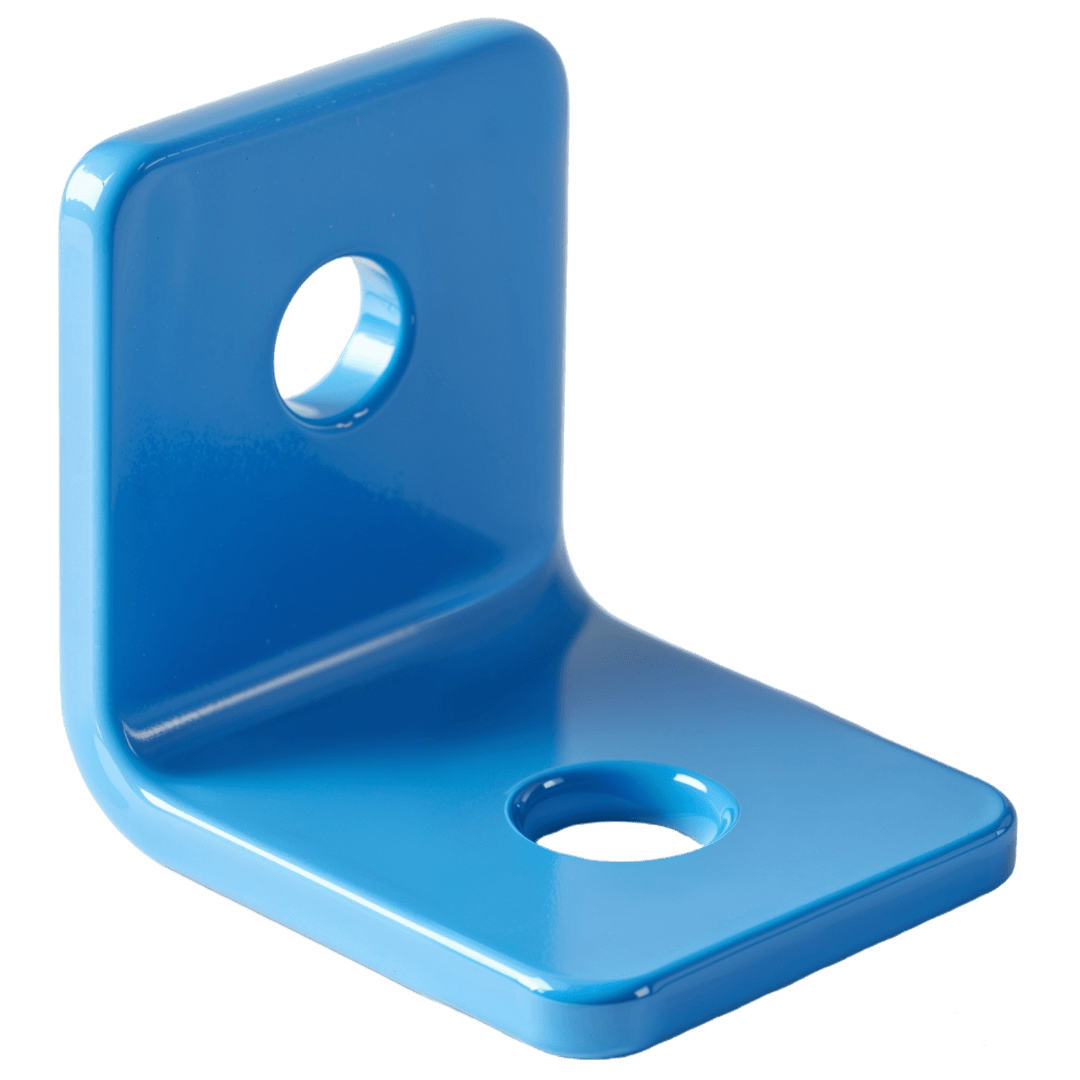
Powder Coating
Applies baked-on powder finishes to metal for a tough, vibrant, and protective coating. Ideal for durability, weather resistance, and enhancing both lifespan and appearance.
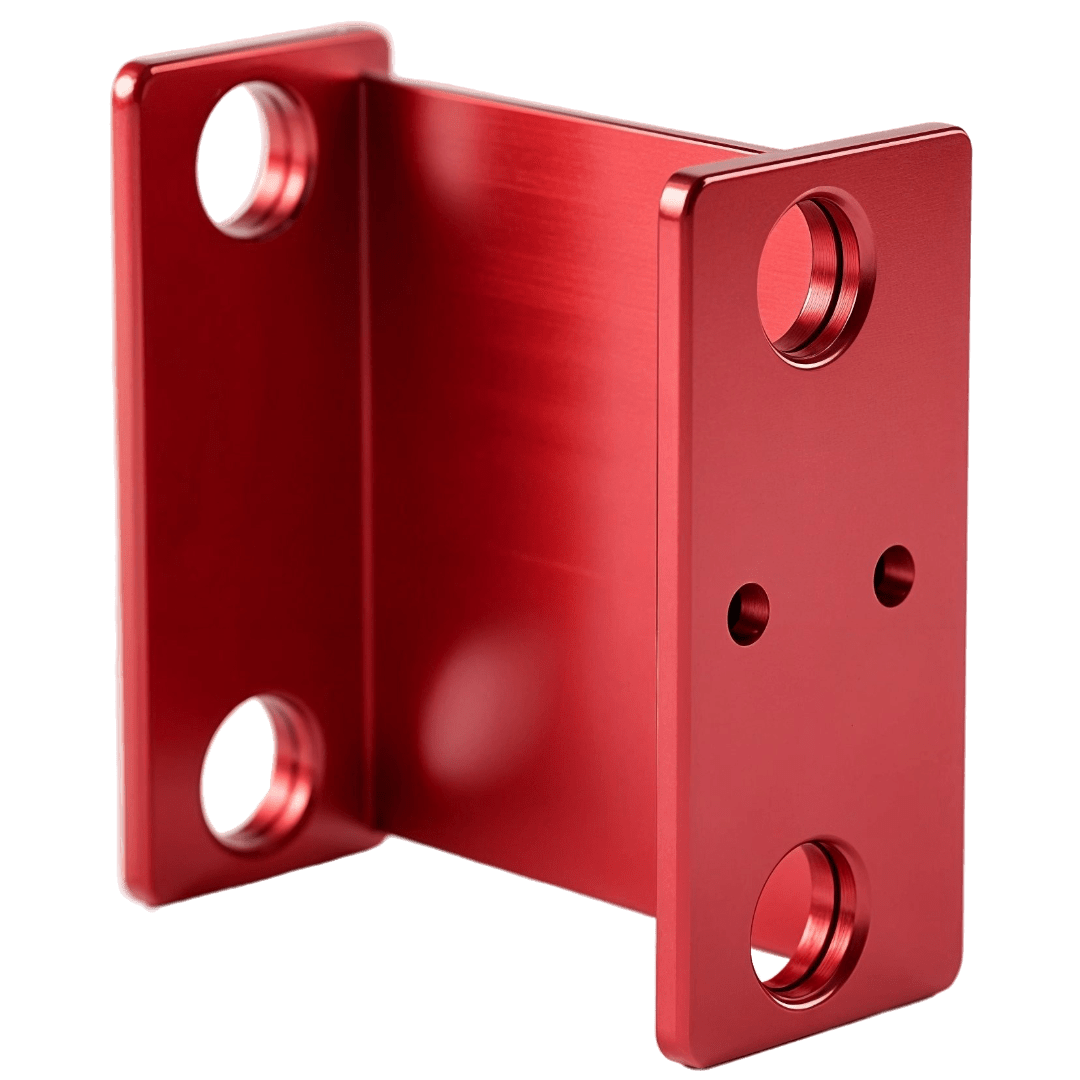
Anodizing
Converts aluminum surfaces into a durable oxide layer that boosts corrosion resistance, wear resistance, & electrical insulation—ideal for industrial, & decorative applications.
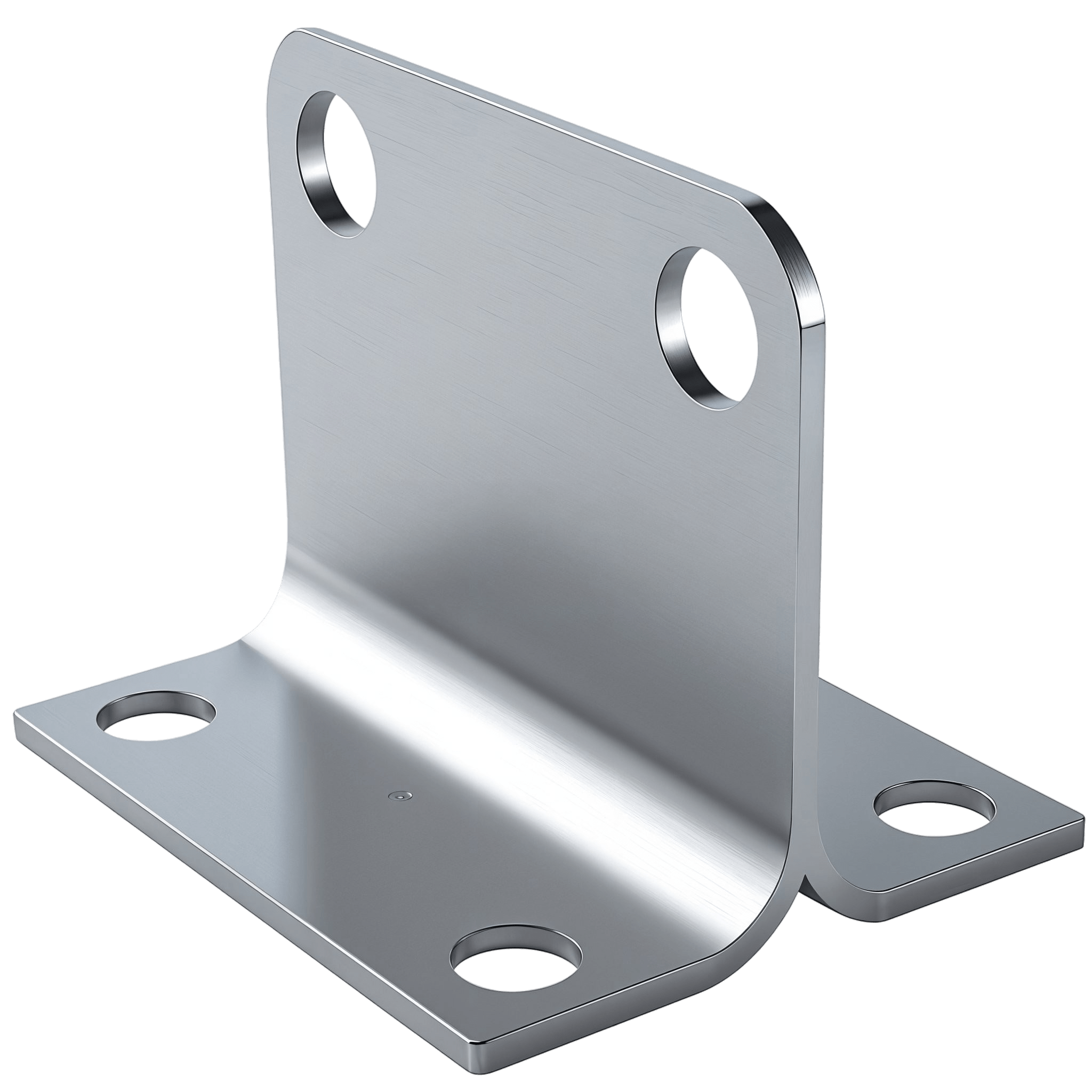
Chromate Conversion
Chemically treats metal to improve corrosion resistance and paint adhesion. Uses trivalent chromium compounds via dipping, spraying, or brushing to create a protective layer.
Fast and economical method to print crisp, multi-color graphics on various materials. Great for labels, logos, and signs that require durability and long-lasting clarity.
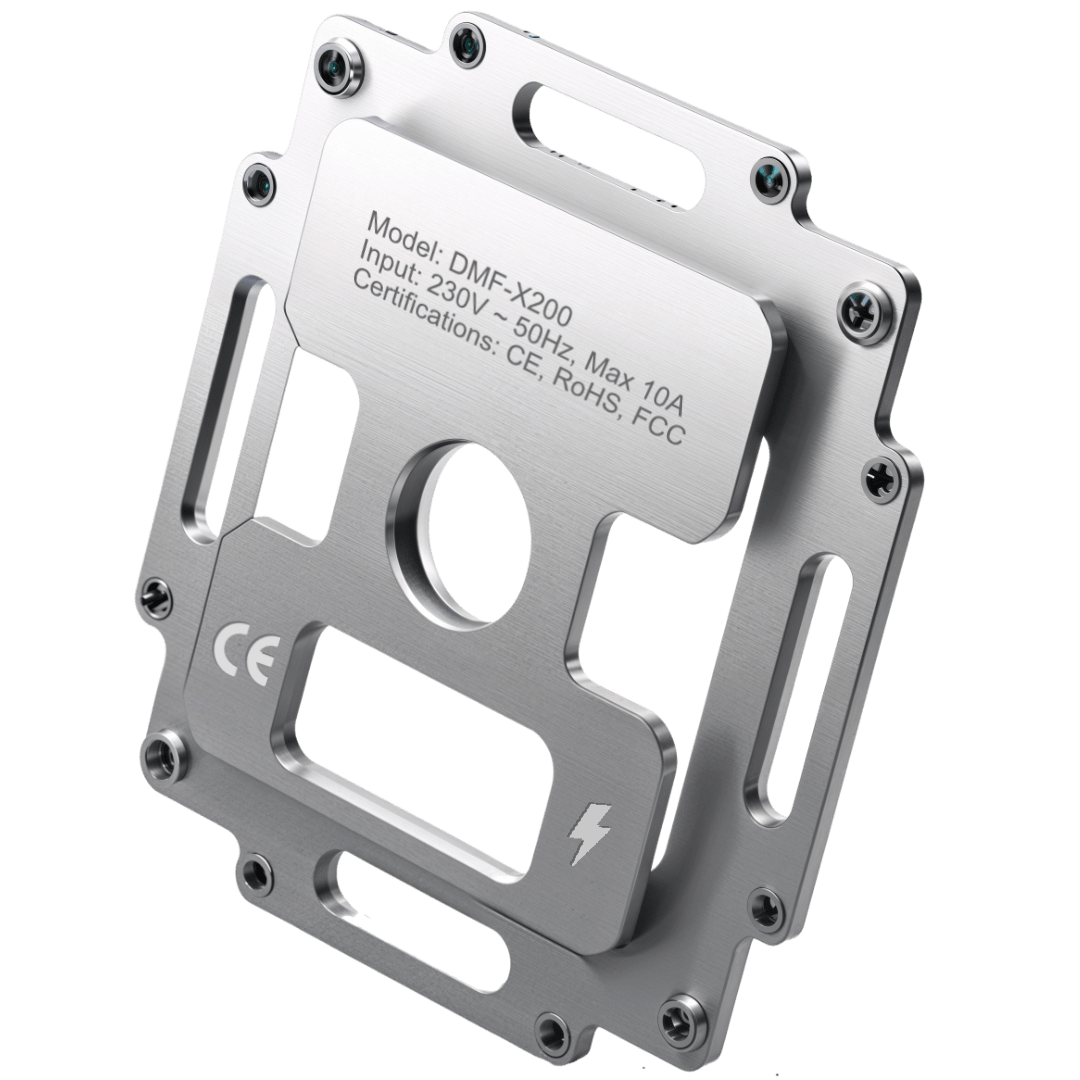
Laser Engraving
Uses lasers to mark metals with sharp, detailed, and lasting graphics or codes. Supports both deep engraving and surface etching, depending on project requirements.
Delivers full-color, high-resolution graphics and labels on multiple surfaces. Best for short runs, prototypes, and custom signage with minimal setup and fast turnaround.
Produces weatherproof, high-visibility signs built for long-term outdoor durability. Crisp graphics, reflective coatings, and rugged materials ensure compliance and performance.
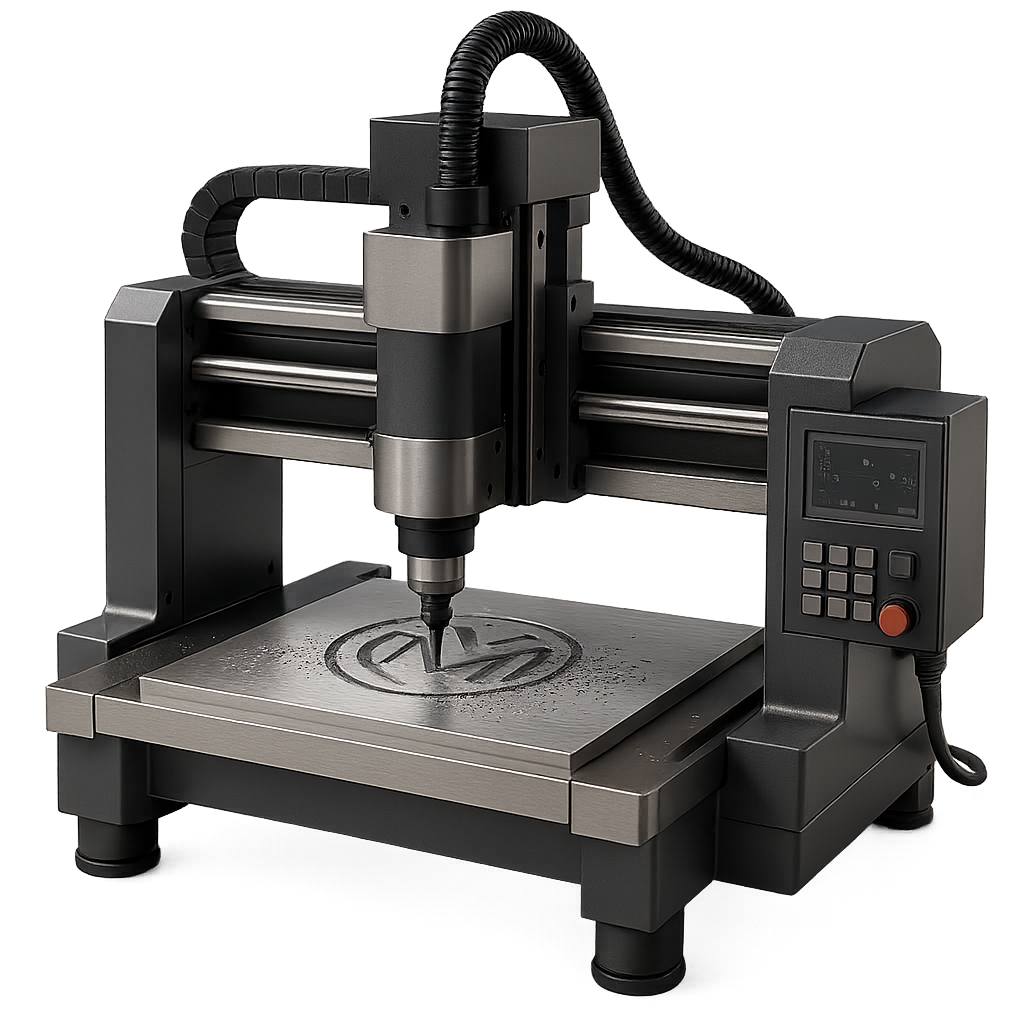
CNC Routing
Provides high-precision cutting of metal parts using computer-controlled machinery. Ideal for custom components, panels, and enclosures with clean edges & tight tolerances.
Our Facility
Built for Scale. Engineered for Speed.
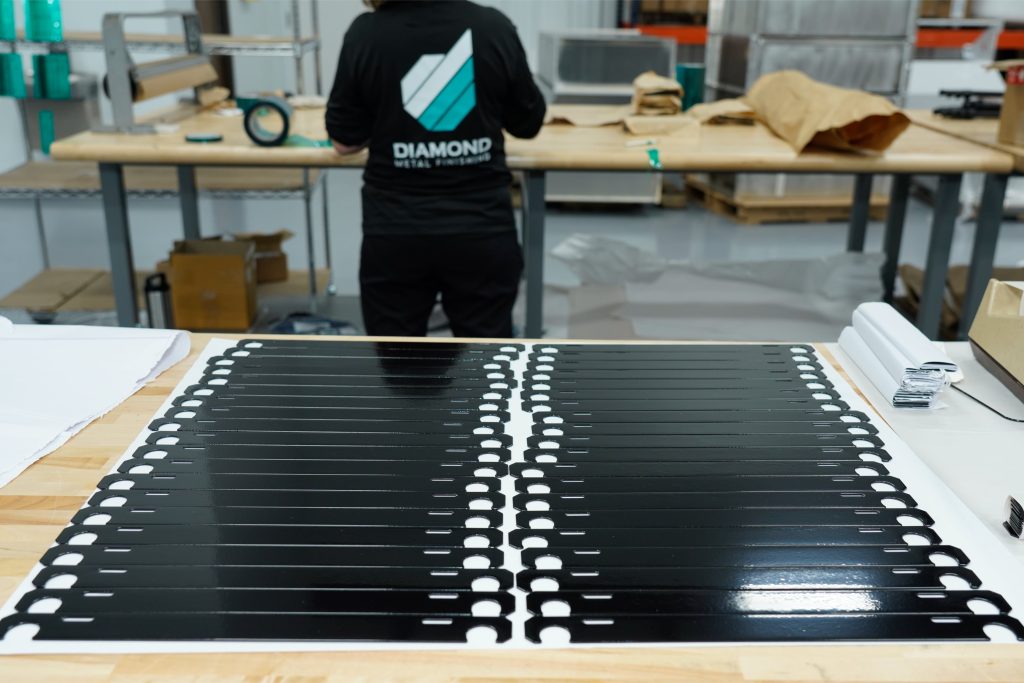
Streamlined
process & on-time-delivery.
Efficient With Quick Turnaround Times
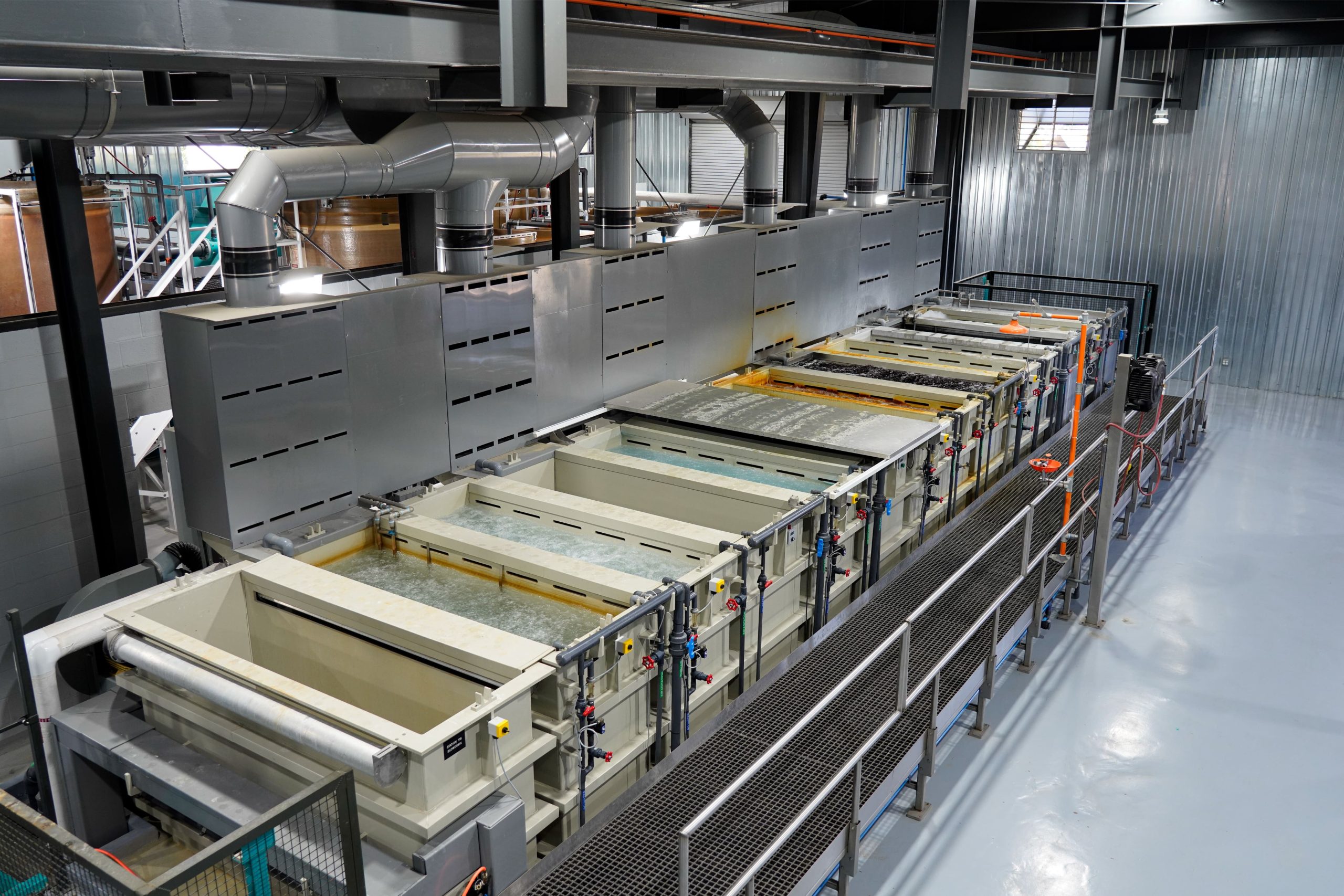
1st Facility
11,200+
sq-ft finishing facility.
Advanced Chemical Processing Facility
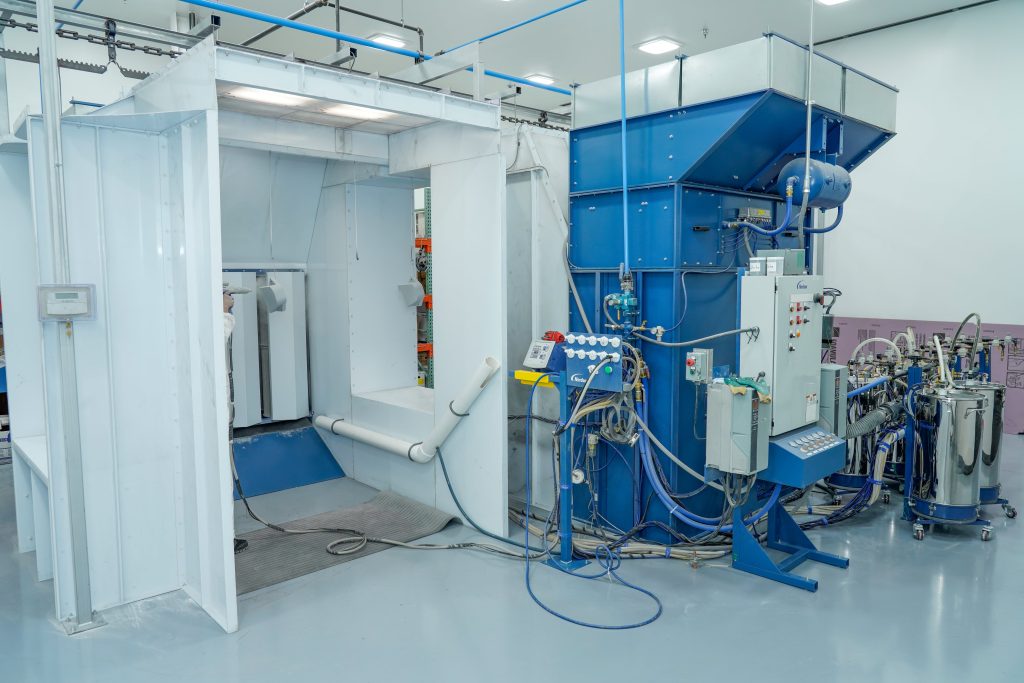
2nd Facility
21,200+
sq-ft coating facility.
Latest Powder Coating Technologies
Precision Finishing.
Delivered Fast.
Trusted by industrial manufacturers across a wide range of industries.
Because getting it right the first time, every time, is non-negotiable.
CLIENT STORIES
Hear from Our Customers
JLY Metal Finish has significantly eased our finishing process challenges, consistently accommodating and expediting to meet our tight timelines. Their support has positioned Star Precision to reach new heights, growth that would’ve been difficult without such a reliable finishing partner.
Mike B.
Quality Manager, Star Precision
How Star Precision Streamlined Production with Reliable Metal Finishing
How Metal Techniques Solved Lead Time & Quality Issue.
join the success
These are just a few of our successful clients

What services does JLY Metal Finish offer?
JLY Metal Finish provides integrated metal manufacturing and finishing services, including Metal Fabrication, Stamping, Anodizing, Electroplating, PVD Coating, and DLC Coating. We support projects from prototypes and sample validation through scalable production, with engineering review based on your drawings, materials, finish requirements, quantity, and delivery needs.
How is pricing determined?
Pricing depends on several factors: type of service (e.g., powder coating, anodizing, traffic signs), part size, quantity, and any custom requirements. For the most accurate estimate, send us your drawings, photos, and finish specifications.
What is the typical lead time for metal finishing orders?
Most projects are completed within 5 business days. Turnaround time varies by service (powder coating vs. anodizing), volume, and workload. Expedited services are available upon request.
Do you require minimum order quantity requirement?
We do not have strict minimums. Whether you need one prototype part or a high-volume production run, we can help. Larger batch sizes typically result in better pricing.
What quality standards does JLY Metal Finish follow?
We follow industry best practices for all types of services. Our team can meet MIL-SPEC, RoHS compliance, and other specifications based on your project needs. Quality checks are performed throughout every stage of production.
Can you provide a Certificate of Conformance (COC)?
COCs are provided upon request. A service fee may apply.
What types of metals can you finish?
Can you match custom colors or textures?
Do you provide surface preparation before the finish?
What are your accepted payment terms and methods?
Do you offer pickup, delivery, or shipping for all services?
How can I request a quote?
Company-Related