
Masking for Selective Chem Film Application
Precision masking for selective chem film application—flawless edges, no bleed, zero compromise. Trusted by pros for MIL-spec perfection on complex geometries. Because details define durability.


Trusted by aerospace OEMs, defense integrators, and electronics manufacturers for critical metal finishing.
Masking for Selective Chem Film Application
Selective masking for Chem Film (Chromate Conversion Coating) ensures that only the necessary areas of your components are coated—preserving threads, contact points, mating surfaces, and electrical grounds with meticulous accuracy.
At JLY Metal Finish, we provide expert masking services for chromate conversion applications, tailored for aerospace, defense, electrical, and high-performance industries where precision isn’t optional—it’s essential. Whether your parts require partial treatment due to grounding requirements, paint bonding prep, or cosmetic standards, our team delivers crisp masking lines, no overspray, and no compromise on coating performance.
Benefits of Selective Masking for Chem Film
- Preserves functional surfaces such as threads, bores, or contact zones from unwanted coating.
- Maintains conductivity on electrical ground points and mating surfaces.
- Improves bond adhesion by masking areas that will be painted or adhesively bonded post-treatment.
- Protects dimensional tolerances in tight-fit assemblies or machined zones.
- Custom masking solutions designed for each part's geometry and operational needs.
- Supports spec compliance for MIL-DTL-5541 and aerospace customer requirements.
- Ideal for mixed material assemblies—only coat what needs protection.
- Reusable masking options available for large batch or repeat orders.
Masking Specifications
| Attribute | Details |
|---|---|
| Standards | MIL-DTL-5541 Type I & II compliant masking; aerospace and industrial approved |
| Masking Types | High-temp tapes, caps, plugs, liquid masks, custom die-cut solutions |
| Tolerances | Maintains dimensional and electrical integrity in masked areas |
| Compatible Substrates | Aluminum, stainless steel, magnesium, copper alloys |
| Resists Bleed | Chem Film-safe masking materials prevent edge creep and haloing |
| Repeatability | Custom jigs and templates used for high-volume consistency |
Technical Specifications
- Process Type:
Masking is performed before Chem Film application using high-performance tapes, caps, plugs, and liquid masks, depending on geometry and masking complexity. - Precision Requirements:
Critical surfaces are masked with tolerances down to ±0.005″, ensuring coating is only applied where needed. - Material Compatibility:
Masking materials are chosen based on substrate type and Chem Film chemistry to prevent adhesive residue, degradation, or contamination. - Coating Transition Zones:
Smooth, well-defined transitions between masked and coated areas ensure aesthetic uniformity and functionality. - Ground Points and Contact Zones:
Electrical grounding areas remain exposed and clean—ideal for aerospace and defense parts requiring conductivity. - Batch Processing:
Consistent masking across batches using custom templates, jigs, and repeatable masking patterns. - Removal & Inspection:
Masking is carefully removed post-process, followed by full inspection to ensure no coating breaches or missed zones.
Design & Tolerance Best Practices
- Plan Masking Zones Early
Identify areas that must remain uncoated—threads, grounding points, bearing surfaces—and communicate during RFQ or drawing submission. - Account for Masking Clearance
Design parts with enough access for precise tape or plug application, especially on recessed or intricate surfaces. - Use Radiused Edges When Possible
Avoid ultra-sharp edges in masked areas to prevent tape lift or mask breakdown during Chem Film processing. - Design for Repeatability
For high-volume parts, consider uniform geometries that allow reusable masking jigs or fixtures. - Avoid Excessive Blind Recesses
Masking internal cavities and blind holes is possible but increases complexity—plan accordingly. - Confirm Mask Compatibility
Use only approved, Chem Film-safe masking materials to avoid bleed, halo, or chemical reaction.
Why Choose JLY Metal Finish for Selective Chem Film Masking?
- High-Spec Compliance: Our masking practices meet aerospace, defense, and electronics industry standards, ensuring no compromise on grounding, bonding, or tolerance.
- Expert Masking Technicians: Our trained team uses Chem Film-compatible materials, techniques, and inspection protocols to deliver flawless masking—batch after batch.
- Advanced Fixturing & Templates: We use custom-built fixtures, jigs, and die-cut masking solutions for consistency and speed in volume production.
- Zero-Bleed Guarantee: Clean, sharp masking lines every time. No overspray, no haloing, and no costly rework.
- Integrated Processing: Combine masking with grit blasting, Chem Film coating, and post-process inspection for a seamless, in-house finishing solution.
- Flexible Capacity: From one-off precision parts to thousands of repeat components, our facility is optimized for selective Chem Film runs of all sizes.
- Real Engineering Support: We collaborate with your design and quality teams to get masking just right—from prototype to production.
Selective Masking for Different Industries
Aerospace
Preserves grounding points and mating surfaces while treating fuselage parts, panels, brackets, and connectors with MIL-compliant chem film coatings.
Defense
Masks optical, electrical, or mounting surfaces on weapon housings and field electronics to retain conductivity and ensure proper assembly in harsh field conditions.
Medical
Masks surgical zones, bonding areas, or instrument tips for partial coating of stainless steel tools and diagnostic housings.
Automotive
Used on EV battery components, housings, and electronics to ensure precise coating for corrosion protection—while leaving critical areas untouched.
Electronics
Ensures anti-corrosion protection for enclosures while keeping connector ports, PCB zones, and grounding areas completely uncoated for clean installs.
Architectural
Used for aluminum hardware and trim pieces where selective coating is needed for both function and appearance.
Energy / Power
Maintains insulation zones and contact points on solar panels, EV components, or power distribution boxes—while protecting exposed surfaces from corrosion.
Commercial
Custom masking supports part branding, assembly zones, or visual separation in kiosks, point-of-sale fixtures, and product housings.
Chromate Conversion Certifications & Standards
- MIL-DTL-5541 Compliant
- ISO 9001:2015 Certified Facility
- Complimentary Sample Validation Options
- Certificates of Conformance Available
Frequently Asked Questions (FAQs)
What is selective masking, and why is it needed?
Selective masking is the process of covering certain areas of a part so that coatings or treatments—like chem film, anodizing, or powder coating—don’t affect those regions. This is essential when specific zones must remain conductive, uncoated, or ready for grounding or bonding.
What materials can be masked during finishing or coating?
We work with a wide range of metals including aluminum, stainless steel, steel, brass, and copper. Our masking solutions are tailored to fit each material and process requirement.
Can you mask complex or irregular-shaped parts?
Yes! We specialize in masking complex geometries, recessed areas, threaded holes, blind holes, sharp edges, and intricate part features. Custom tooling and hand-applied techniques are often used.
What types of coatings or treatments require masking?
Masking is typically used during chem film (chromate conversion), anodizing, powder coating, plating, and wet paint applications. It ensures only selected surfaces are treated while others remain untouched.
Will the masked areas be clean and residue-free after processing?
Yes. Our process ensures that masked areas remain clean, conductive, and free from overspray, residues, or chemical interaction. This is critical for bonding, electrical grounding, or further machining.
How accurate is the masking? Are tolerances tight?
We provide high-precision masking with sharp edges, even on microscopic or tight-tolerance areas. Our attention to detail ensures performance where it matters most.
Can you do selective masking on both small and large parts?
Yes. From tiny electronic connectors to large industrial panels or enclosures—we scale our masking approach to fit your part size, batch volume, and finish requirement.
Do you offer prototyping or sample runs before full production?
Definitely. We encourage customers to start with prototypes or small-batch samples to ensure perfect fit, finish, and masking effectiveness before ramping up production.
How do you ensure quality control in masking services?
Every masked part goes through visual inspection, masking verification, and post-process checks. Our QC team also works with engineering drawings or CAD files to meet exact specs.
How do I request a quote for selective masking services?
Simply email us your part drawings, photos, specs, and volume estimates, and our team will get back with a custom quote within 24-48 hours. You can also call us directly for faster service.
Specifications
- MIL-PRF-32348 (Protective Coatings)
- MIL-PRF-8625 (Anodizing – General)
- MIL-PRF-8625F (Anodizing – Latest Revision)
- MIL-A-8625 (Original Anodizing Standard)
- MIL-DTL-5541 (Chemical Conversion Coating)
- MIL-DTL-5541F (Updated Conversion Coating)
Related Services
Advanced Metal Finishing Solutions
WHY CHOOSE US
Decades Of Industry Expertise
Trusted by leading manufacturers for solving complex finishing challenges.
ISO 9001 Compliant Quality Control
We meet rigorous aerospace, defense, and industrial standards—all delivered under one roof.
Two Facilities, Modern Equipment
Equipped to handle high-volume, high-spec projects with speed and accuracy across industries.
Eco-Conscious & Compliant
Sustainability isn’t an add-on—it’s engineered into every step of our process and facility design.
Our SERVICES
From Coating to Cutting—We Handle It All.
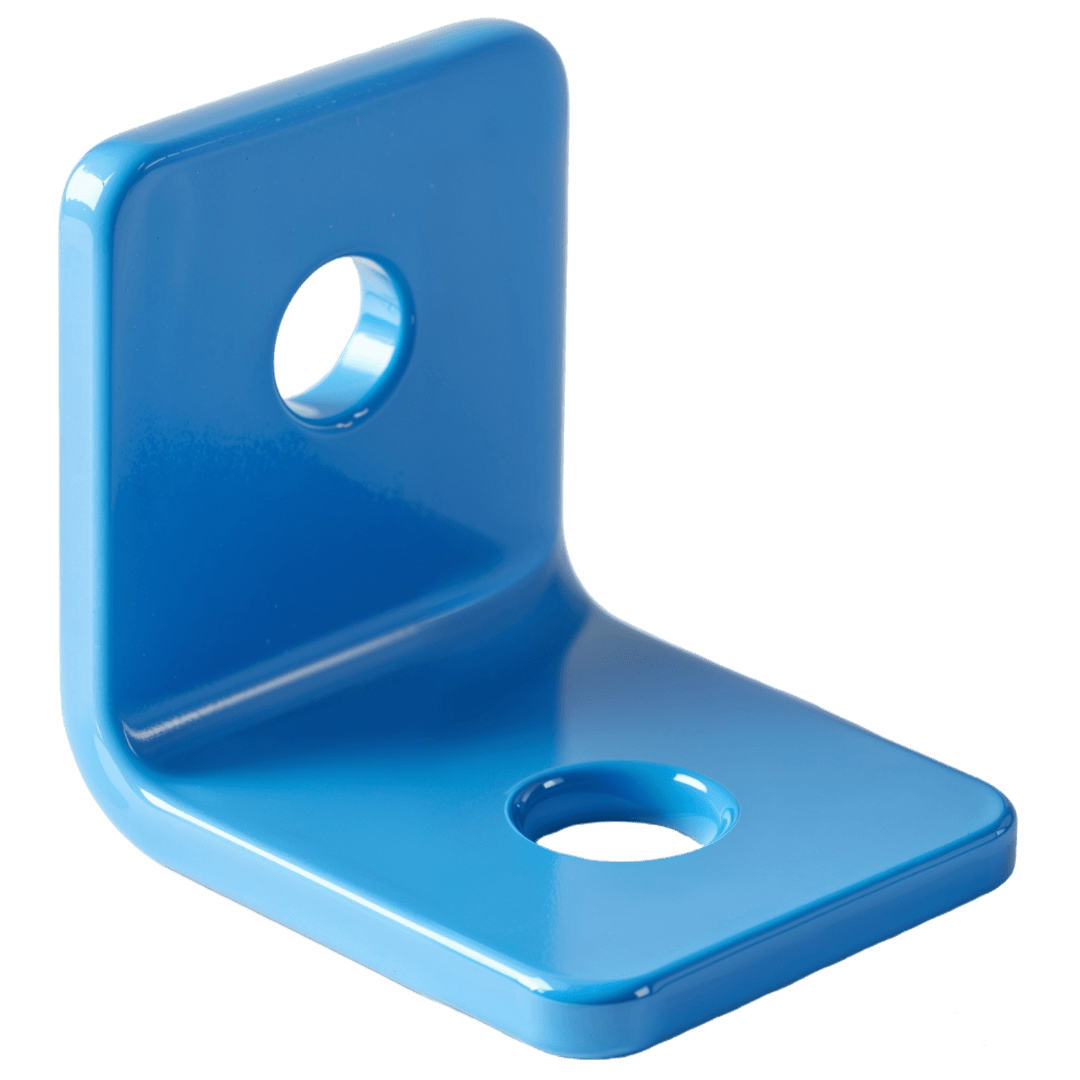
Powder Coating
Applies baked-on powder finishes to metal for a tough, vibrant, and protective coating. Ideal for durability, weather resistance, and enhancing both lifespan and appearance.
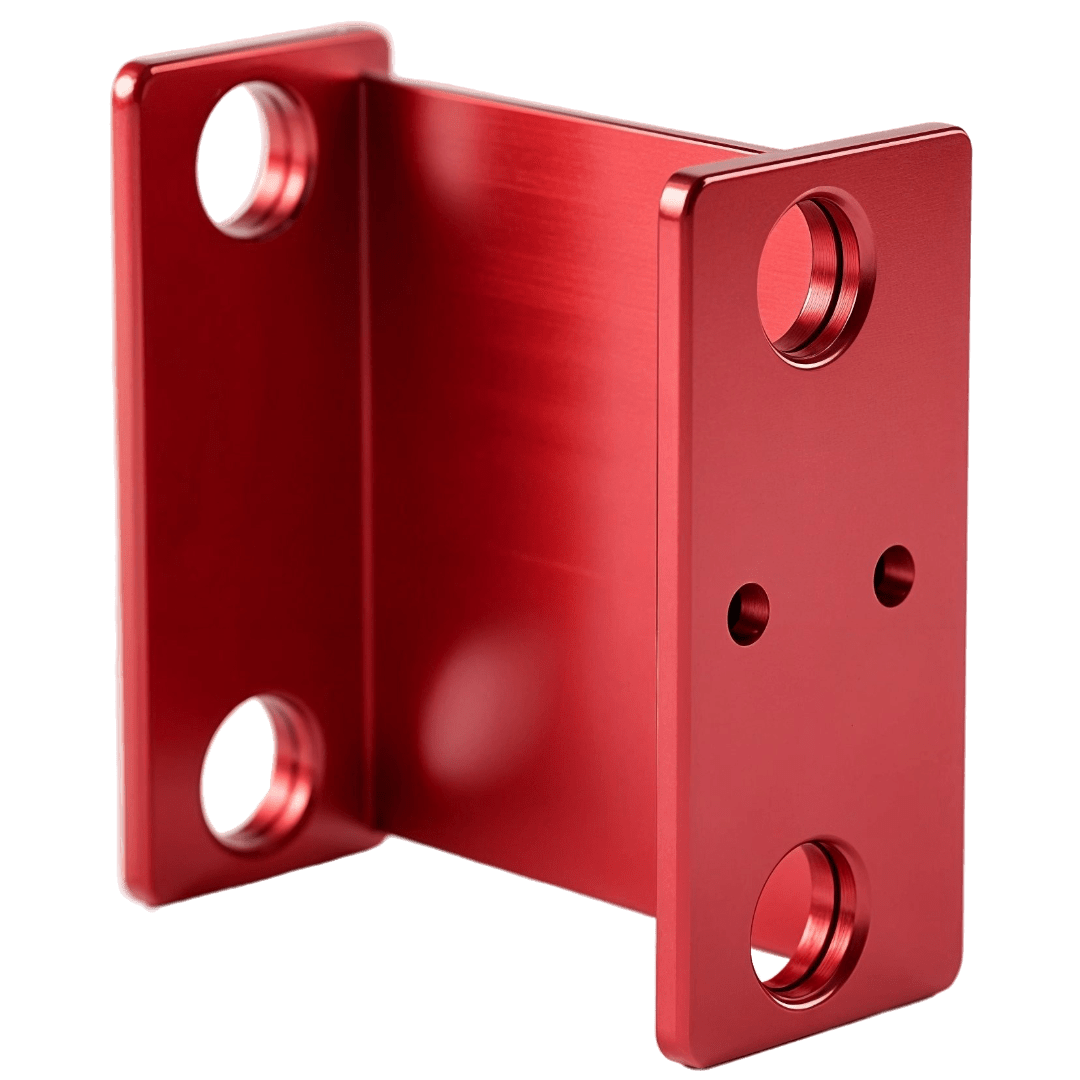
Anodizing
Converts aluminum surfaces into a durable oxide layer that boosts corrosion resistance, wear resistance, & electrical insulation—ideal for industrial, & decorative applications.
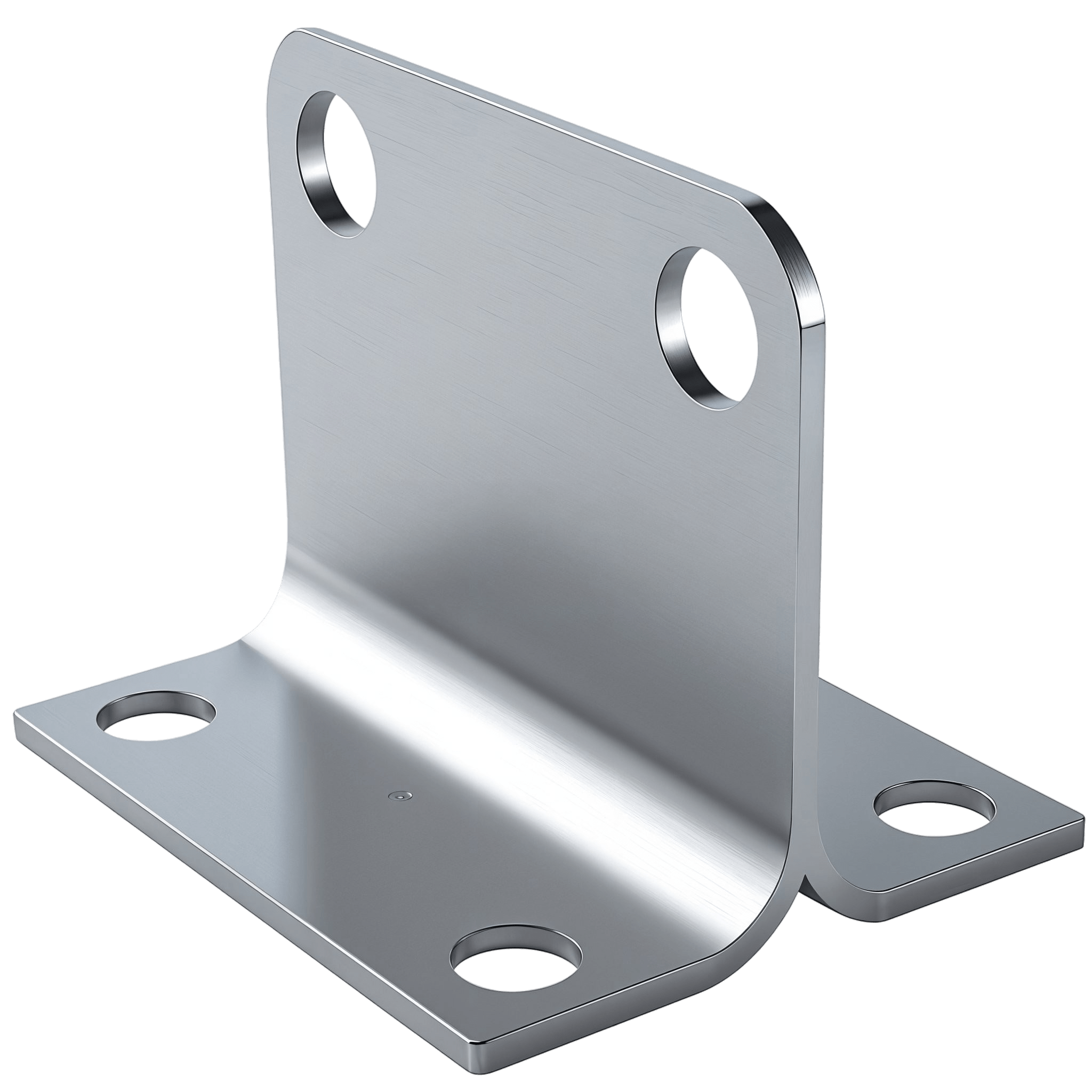
Chromate Conversion
Chemically treats metal to improve corrosion resistance and paint adhesion. Uses trivalent chromium compounds via dipping, spraying, or brushing to create a protective layer.
Fast and economical method to print crisp, multi-color graphics on various materials. Great for labels, logos, and signs that require durability and long-lasting clarity.
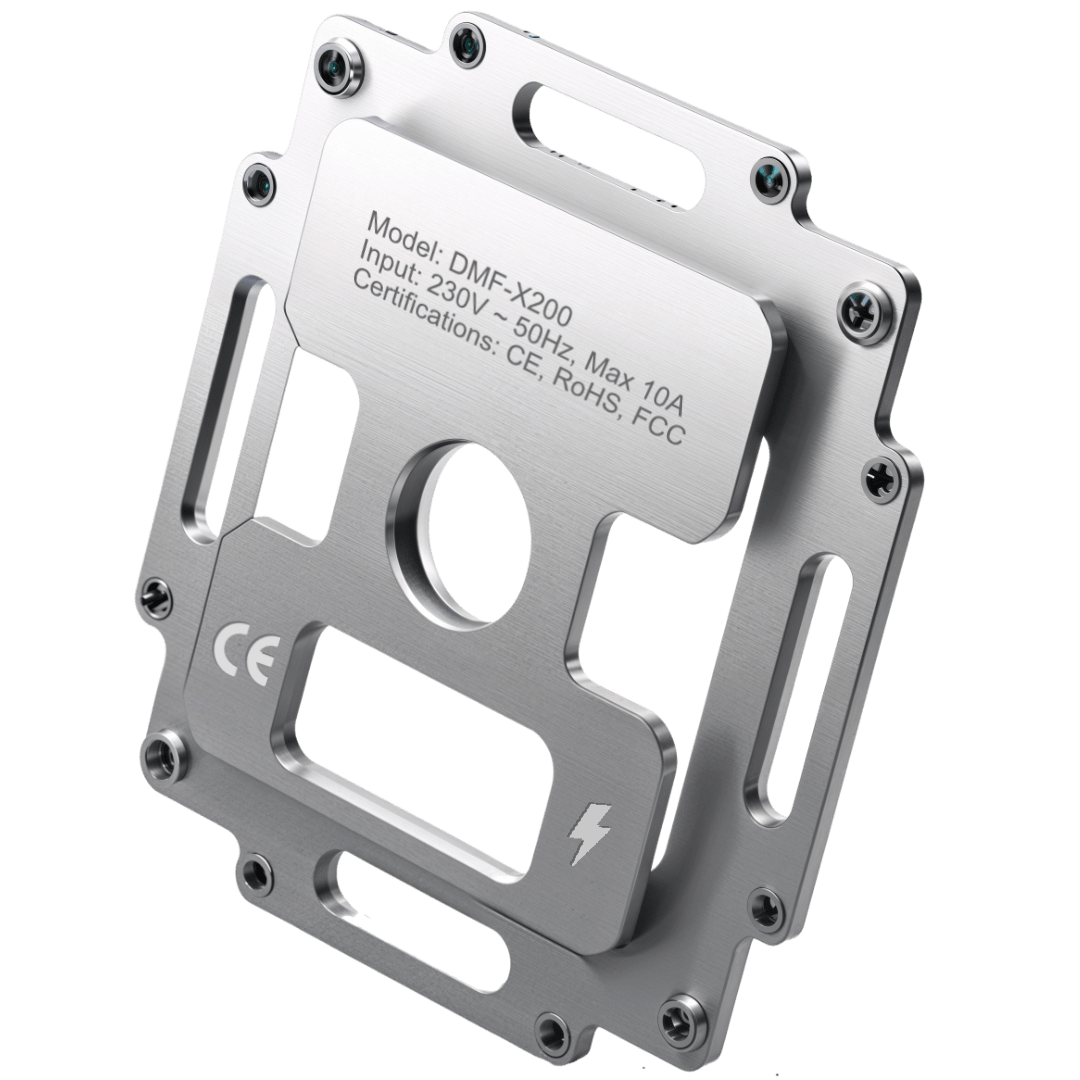
Laser Engraving
Uses lasers to mark metals with sharp, detailed, and lasting graphics or codes. Supports both deep engraving and surface etching, depending on project requirements.
Delivers full-color, high-resolution graphics and labels on multiple surfaces. Best for short runs, prototypes, and custom signage with minimal setup and fast turnaround.
Produces weatherproof, high-visibility signs built for long-term outdoor durability. Crisp graphics, reflective coatings, and rugged materials ensure compliance and performance.
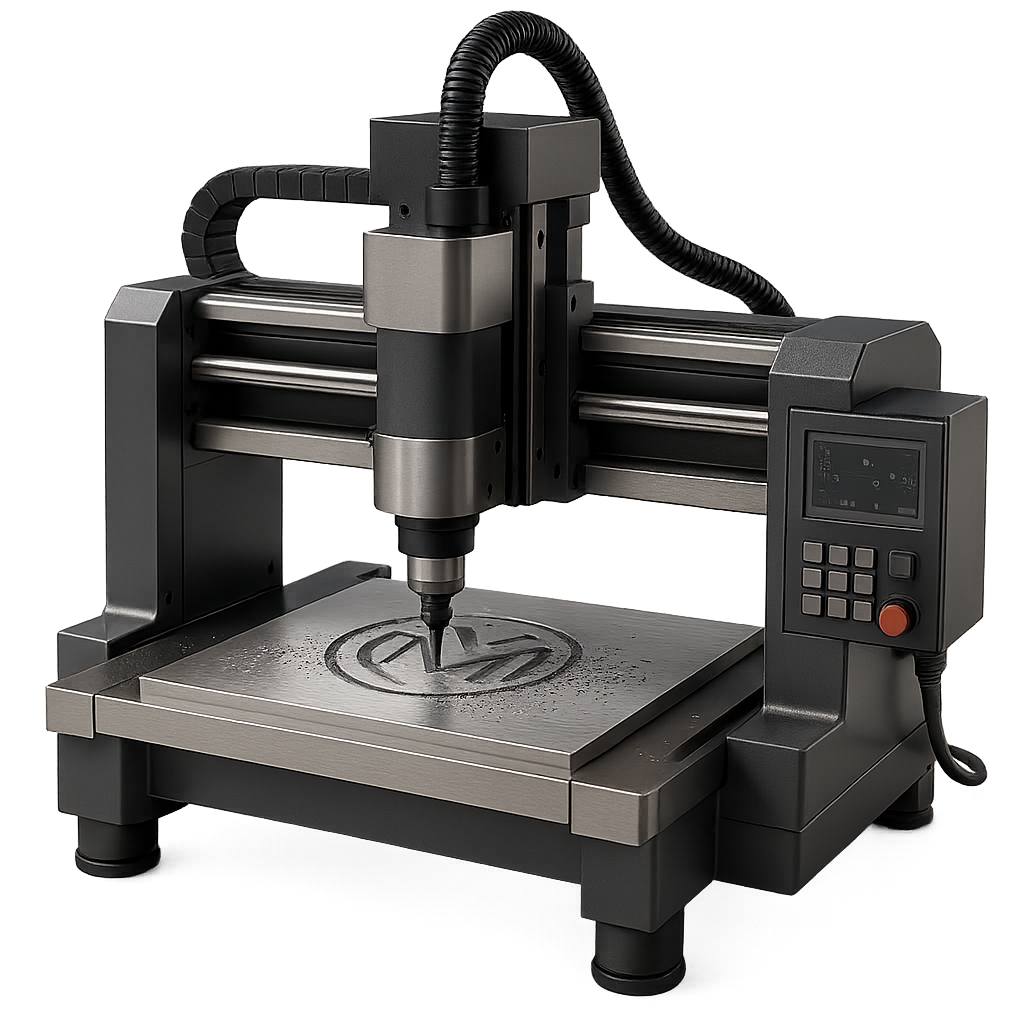
CNC Routing
Provides high-precision cutting of metal parts using computer-controlled machinery. Ideal for custom components, panels, and enclosures with clean edges & tight tolerances.
Our Facility
Built for Scale. Engineered for Speed.
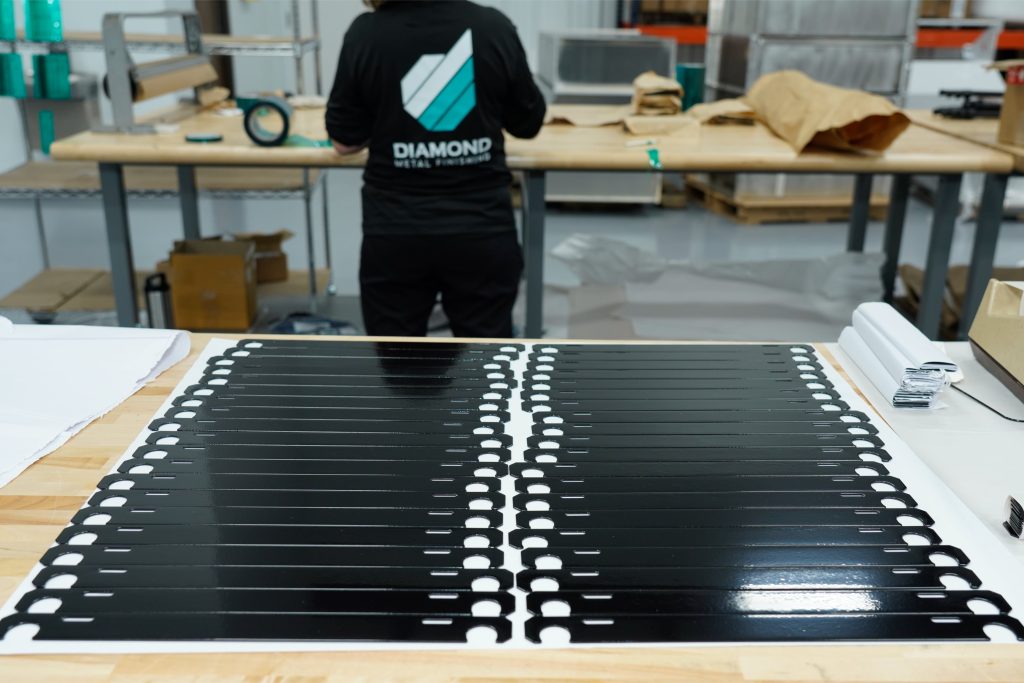
Streamlined
process & on-time-delivery.
Efficient With Quick Turnaround Times
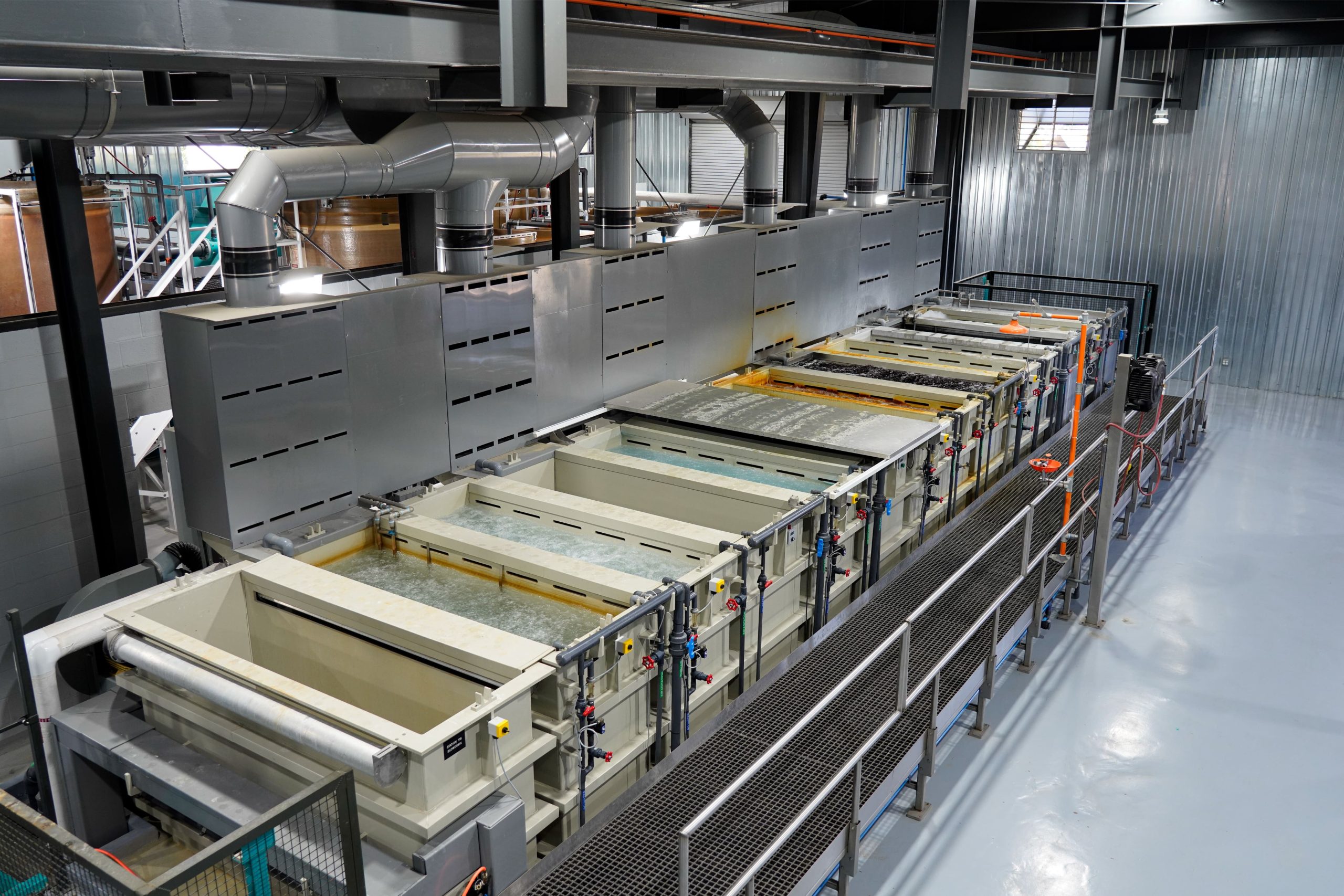
1st Facility
11,200+
sq-ft finishing facility.
Advanced Chemical Processing Facility
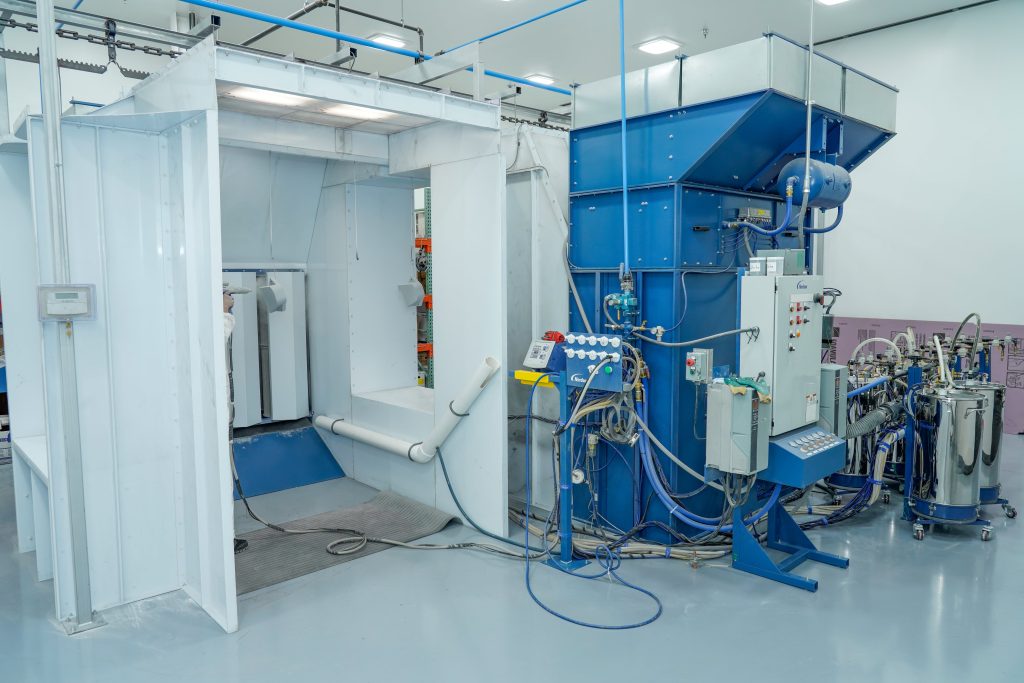
2nd Facility
21,200+
sq-ft coating facility.
Latest Powder Coating Technologies
Precision Finishing.
Delivered Fast.
Trusted by industrial manufacturers across a wide range of industries.
Because getting it right the first time, every time, is non-negotiable.
CLIENT STORIES
Hear from Our Customers
JLY Metal Finish has significantly eased our finishing process challenges, consistently accommodating and expediting to meet our tight timelines. Their support has positioned Star Precision to reach new heights, growth that would’ve been difficult without such a reliable finishing partner.
Mike B.
Quality Manager, Star Precision
How Star Precision Streamlined Production with Reliable Metal Finishing
How Metal Techniques Solved Lead Time & Quality Issue.
join the success
These are just a few of our successful clients

What services does JLY Metal Finish offer?
JLY Metal Finish provides integrated metal manufacturing and finishing services, including Metal Fabrication, Stamping, Anodizing, Electroplating, PVD Coating, and DLC Coating. We support projects from prototypes and sample validation through scalable production, with engineering review based on your drawings, materials, finish requirements, quantity, and delivery needs.
How is pricing determined?
Pricing depends on several factors: type of service (e.g., powder coating, anodizing, traffic signs), part size, quantity, and any custom requirements. For the most accurate estimate, send us your drawings, photos, and finish specifications.
What is the typical lead time for metal finishing orders?
Most projects are completed within 5 business days. Turnaround time varies by service (powder coating vs. anodizing), volume, and workload. Expedited services are available upon request.
Do you require minimum order quantity requirement?
We do not have strict minimums. Whether you need one prototype part or a high-volume production run, we can help. Larger batch sizes typically result in better pricing.
What quality standards does JLY Metal Finish follow?
We follow industry best practices for all types of services. Our team can meet MIL-SPEC, RoHS compliance, and other specifications based on your project needs. Quality checks are performed throughout every stage of production.
Can you provide a Certificate of Conformance (COC)?
COCs are provided upon request. A service fee may apply.
What types of metals can you finish?
Can you match custom colors or textures?
Do you provide surface preparation before the finish?
What are your accepted payment terms and methods?
Do you offer pickup, delivery, or shipping for all services?
How can I request a quote?
Company-Related